Conference 2026
oct
& Online

Programme
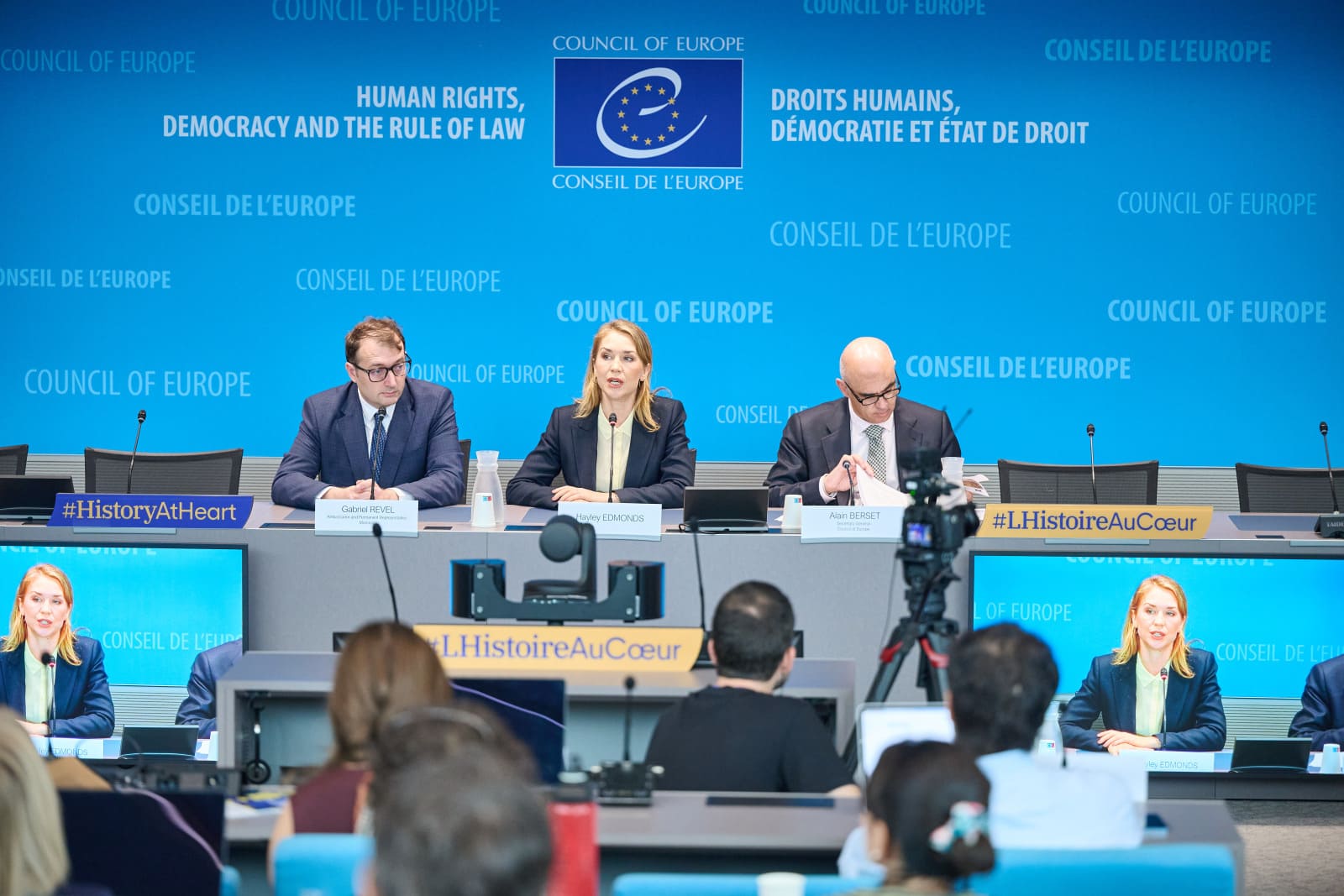
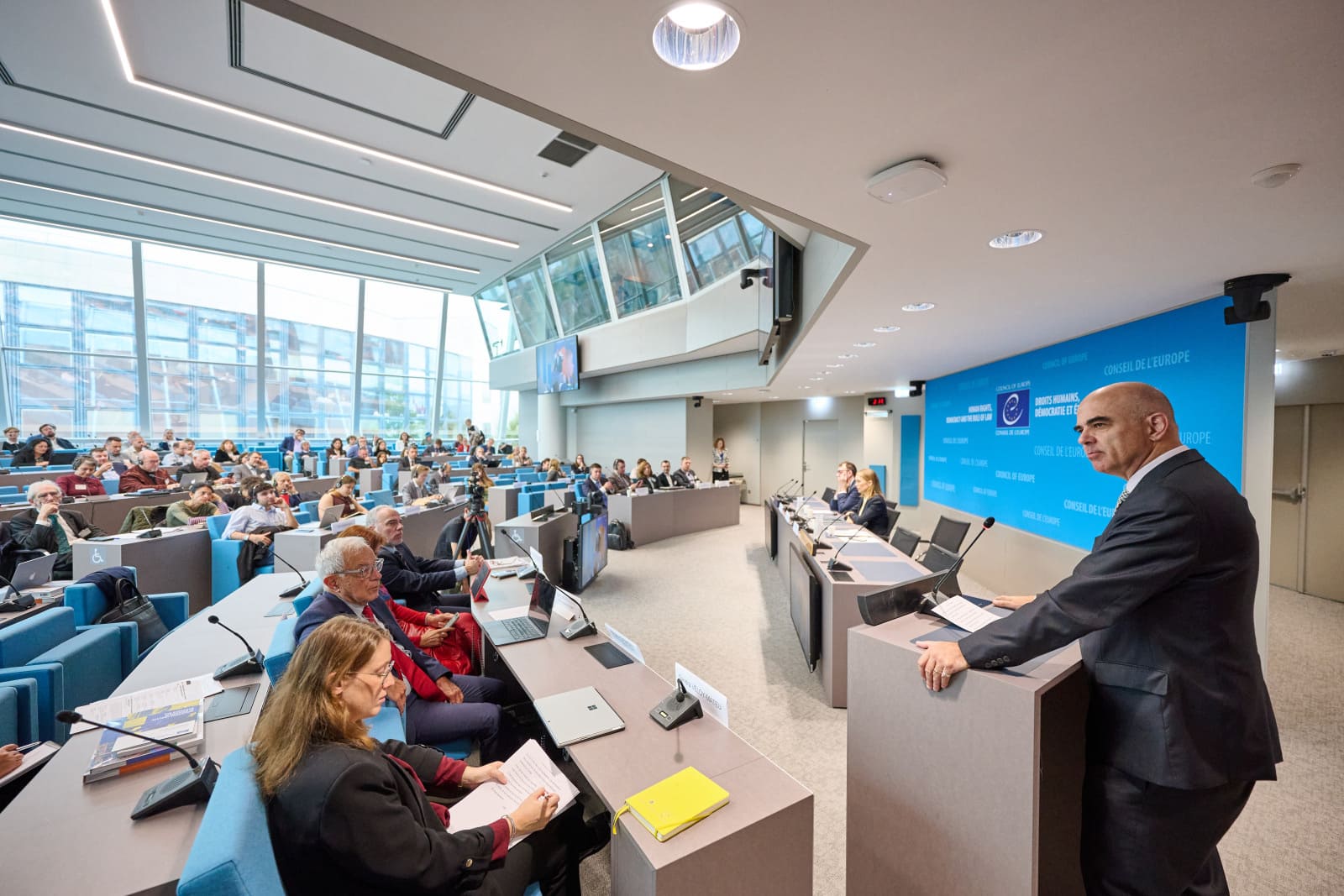
OPENING SESSION: “Democracies standing up against manipulations of history”
Moderation: Hayley EDMONDS, Journalist and moderator
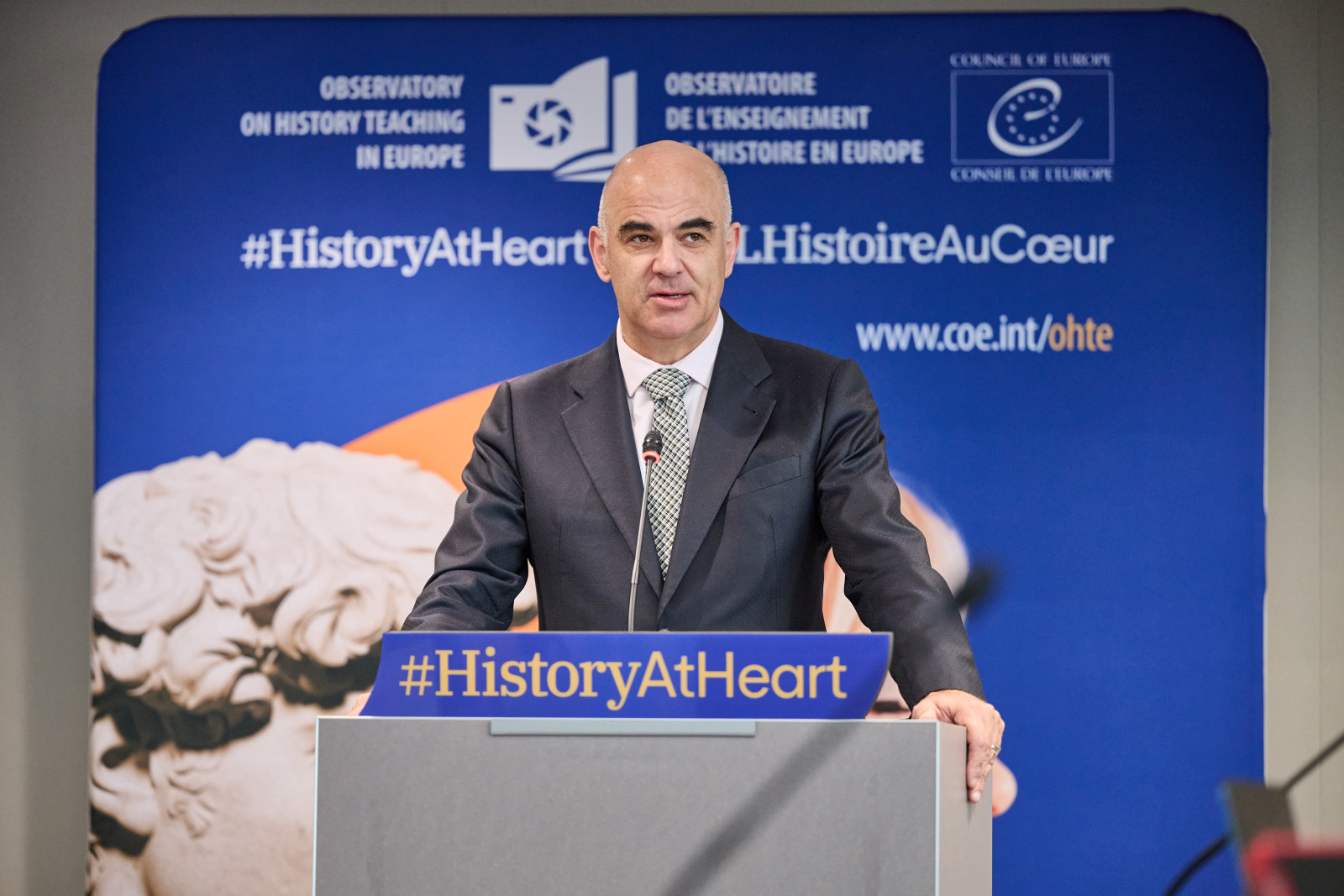
Alain BERSET, Secretary General of the Council of Europe
Gabriel REVEL, Ambassador and Permanent Representative of Monaco, on behalf of the Presidency of the Committee of Ministers of the Council of Europe
Moderation
Hayley EDMONDS, Journalist and moderator
Alain BERSET, Secretary General of the Council of Europe
Gabriel REVEL, Ambassador and Permanent Representative of Monaco, on behalf of the Presidency of the Committee of Ministers of the Council of Europe
Édouard GEFFRAY, Minister of National Education, France (video message)
Andrii VITRENKO, Deputy Minister of Education and Science, Ukraine
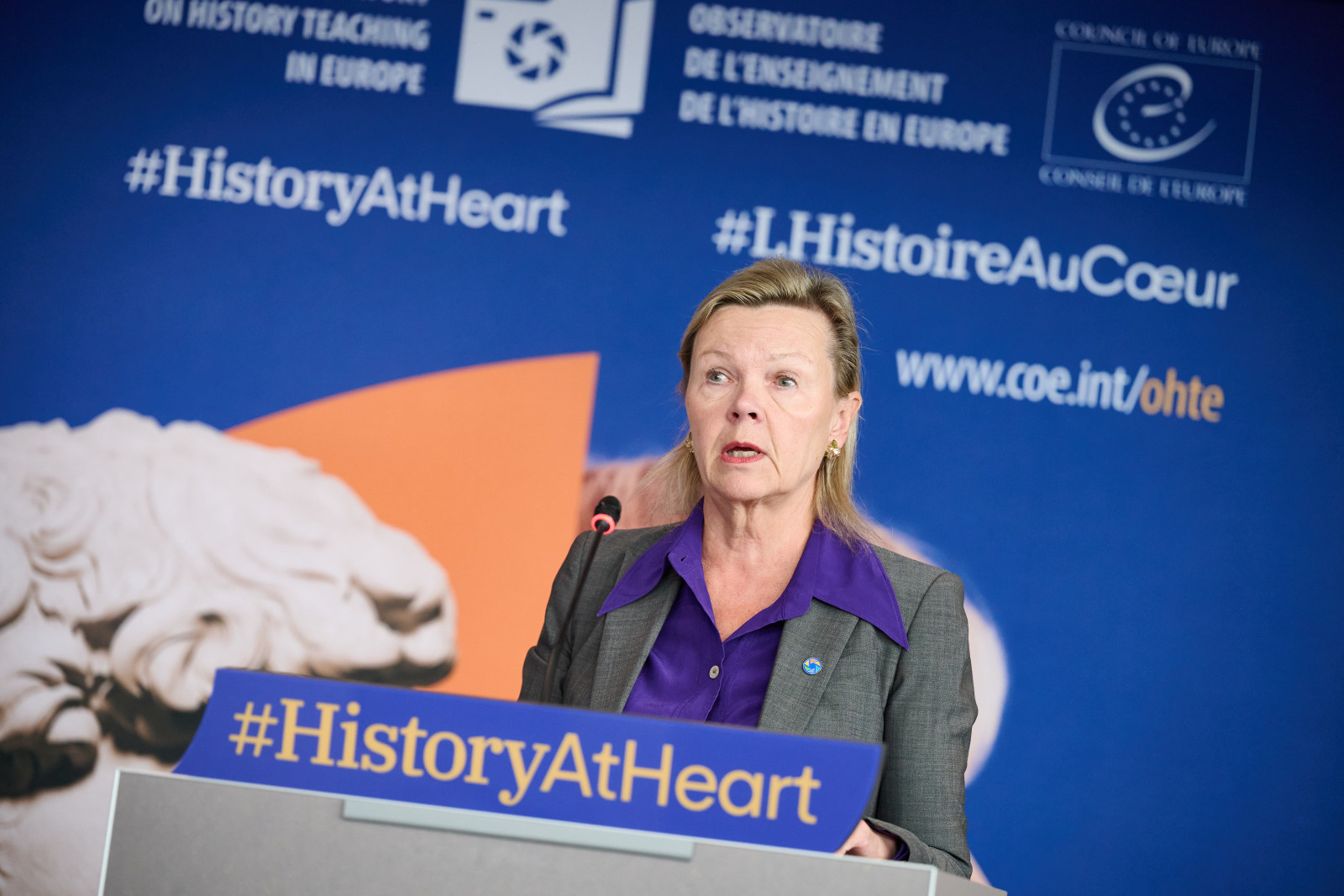
María Luz MARTÍNEZ SEIJO, Member of PACE Committee on Culture, Science, Education and Media, Spain
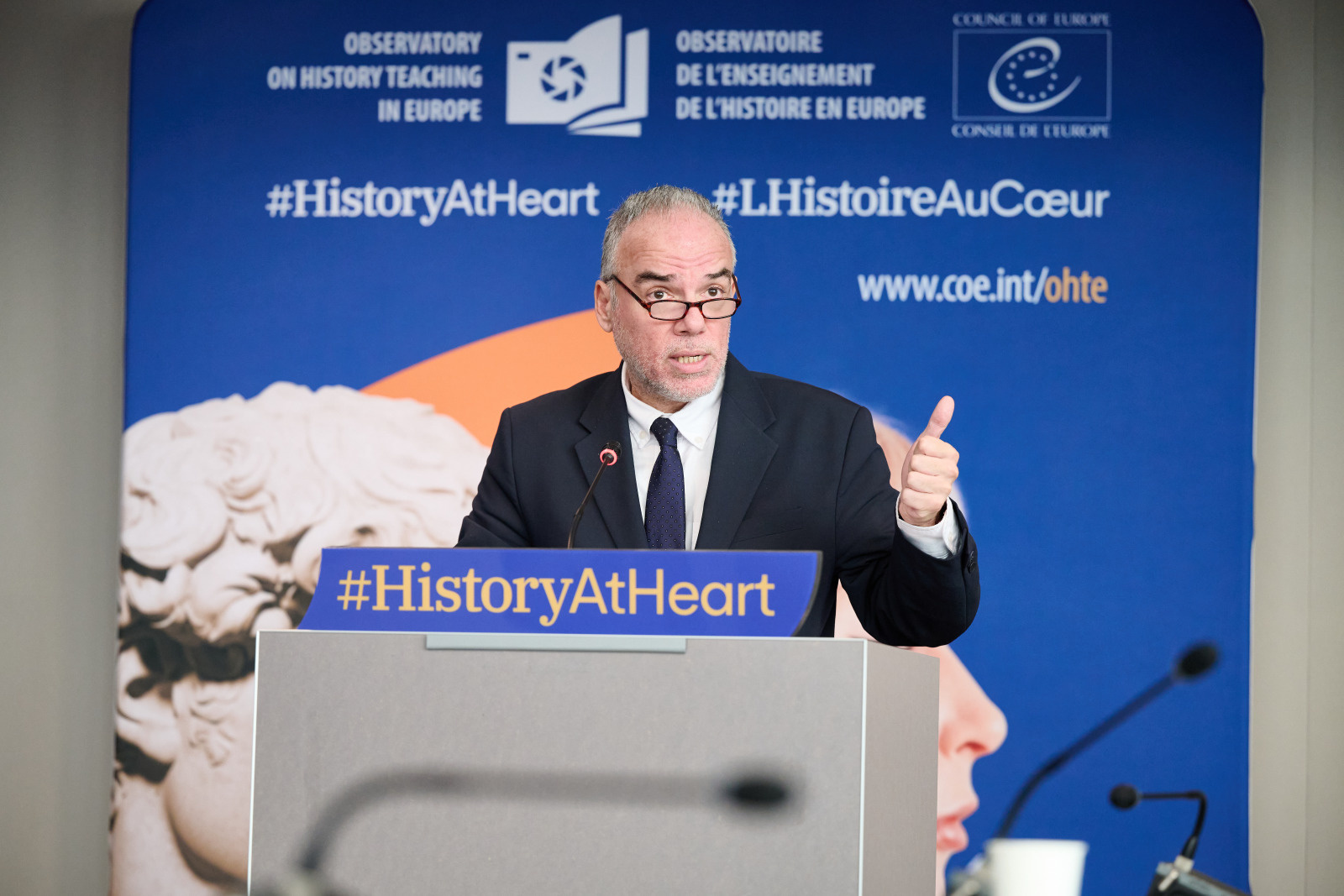
Dimitris P. SOTIROPOULOS, Chair of the OHTE Governing Board, Greece
PLENARY SESSION 1: “The facts, the whole facts and nothing but the facts”
This session will address the growing challenges posed by the distortion and instrumentalisation of historical narratives in contemporary societies, while bringing together diverse perspectives that reflect the varied backgrounds of its speakers. The discussion will highlight how historical facts can be manipulated, and how such distortions can be analysed and debunked. At a time when disinformation and selective interpretations of the past increasingly threaten democratic values, the session will emphasise the essential role of reliable knowledge, methodological rigour and critical engagement with sources, helping citizens better understand the complexity of the past and engage more thoughtfully in public debates.
Moderation: Mychailo WYNNYCKYJ, Vice-Chair of the OHTE Governing Board, Ukraine
This session will address the growing challenges posed by the distortion and instrumentalisation of historical narratives in contemporary societies, while bringing together diverse perspectives that reflect the varied backgrounds of its speakers. The discussion will highlight how historical facts can be manipulated, and how such distortions can be analysed and debunked. At a time when disinformation and selective interpretations of the past increasingly threaten democratic values, the session will emphasise the essential role of reliable knowledge, methodological rigour and critical engagement with sources, helping citizens better understand the complexity of the past and engage more thoughtfully in public debates.
Moderation
Mychailo WYNNYCKYJ, Vice-Chair of the OHTE Governing Board, Ukraine
Panel
Antoon DE BAETS, Emeritus Professor of History, Ethics and Human Rights, University of Groningen, Founder of the Network of Concerned Historians (NCH)
Adelaïde CALAIS, Online community manager and Wikimania coordinator, Wikimédia France
Juliane von REPPERT-BISMARCK, Chair of Lie Detectors (online)
Géraldine SCHWARZ, Journalist, Author and Documentary Filmmaker specialising in Memory Politics and Remembrance Practices
OHTE Talk:“The machine of lies: propaganda and the misuse of history”
This OHTE Talk will explore the historical roots, mechanisms and contemporary manifestations of propaganda and disinformation, examining how narratives are deliberately constructed to influence public opinion and shape collective memory. By viewing these phenomena through a long-term historical lens, light will be shed on the strategies used to legitimise power, mobilise societies and manipulate perceptions of the past and present. The session will also invite reflections on the role of education in equipping learners with the analytical tools required to recognise these processes, fostering critical awareness and strengthening democratic resilience in an increasingly complex information environment.
Fabrice D’ALMEIDA, Professor of History, Chair of the Department of Information sciences and communication, Université Paris-Panthéon-Assas
This OHTE Talk will explore the historical roots, mechanisms and contemporary manifestations of propaganda and disinformation, examining how narratives are deliberately constructed to influence public opinion and shape collective memory. By viewing these phenomena through a long-term historical lens, light will be shed on the strategies used to legitimise power, mobilise societies and manipulate perceptions of the past and present. The session will also invite reflections on the role of education in equipping learners with the analytical tools required to recognise these processes, fostering critical awareness and strengthening democratic resilience in an increasingly complex information environment.
Fabrice D’ALMEIDA, Professor of History, Chair of the Department of Information sciences and communication, Université Paris-Panthéon-Assas
Moderation
Hayley EDMONDS, Journalist and moderator
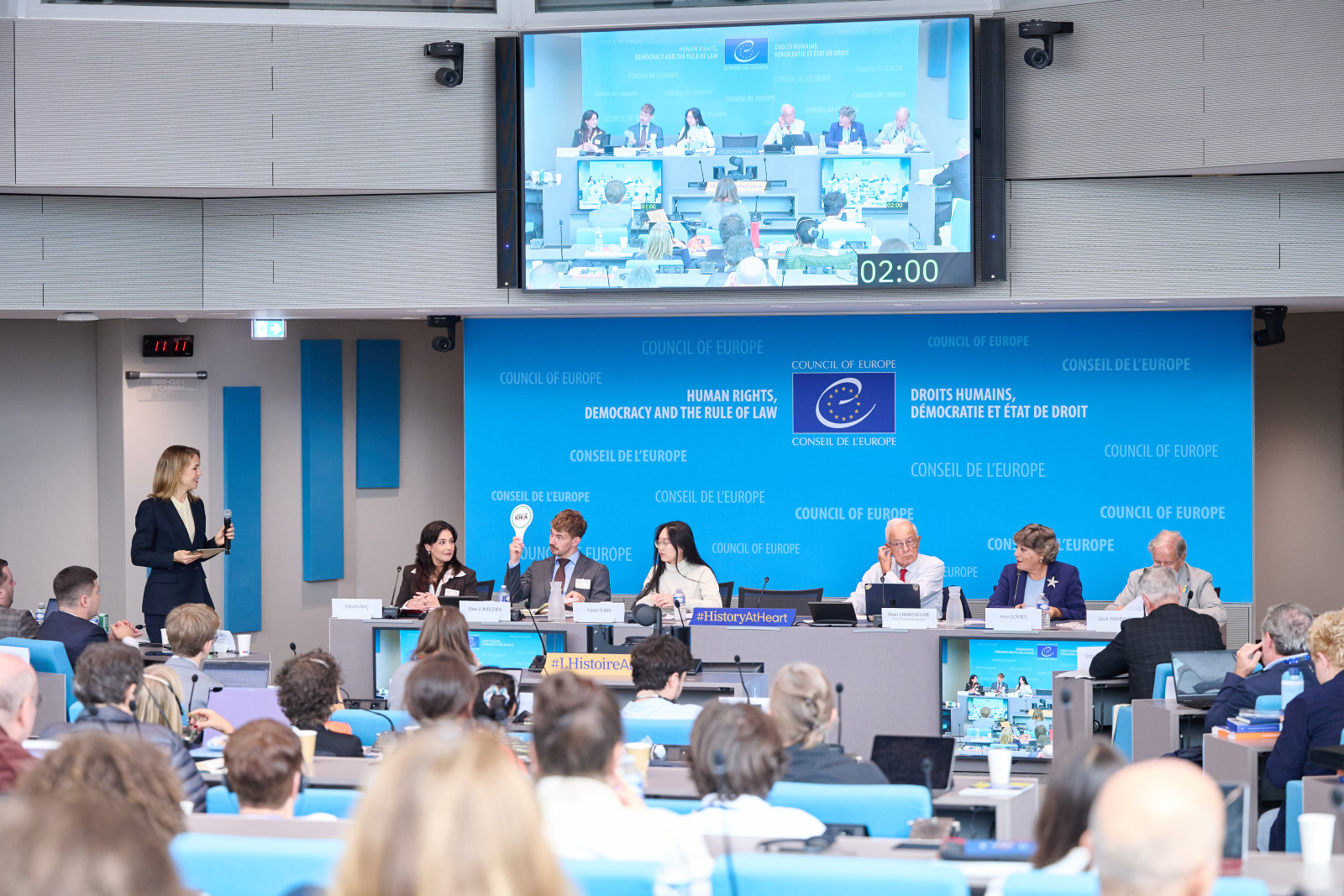
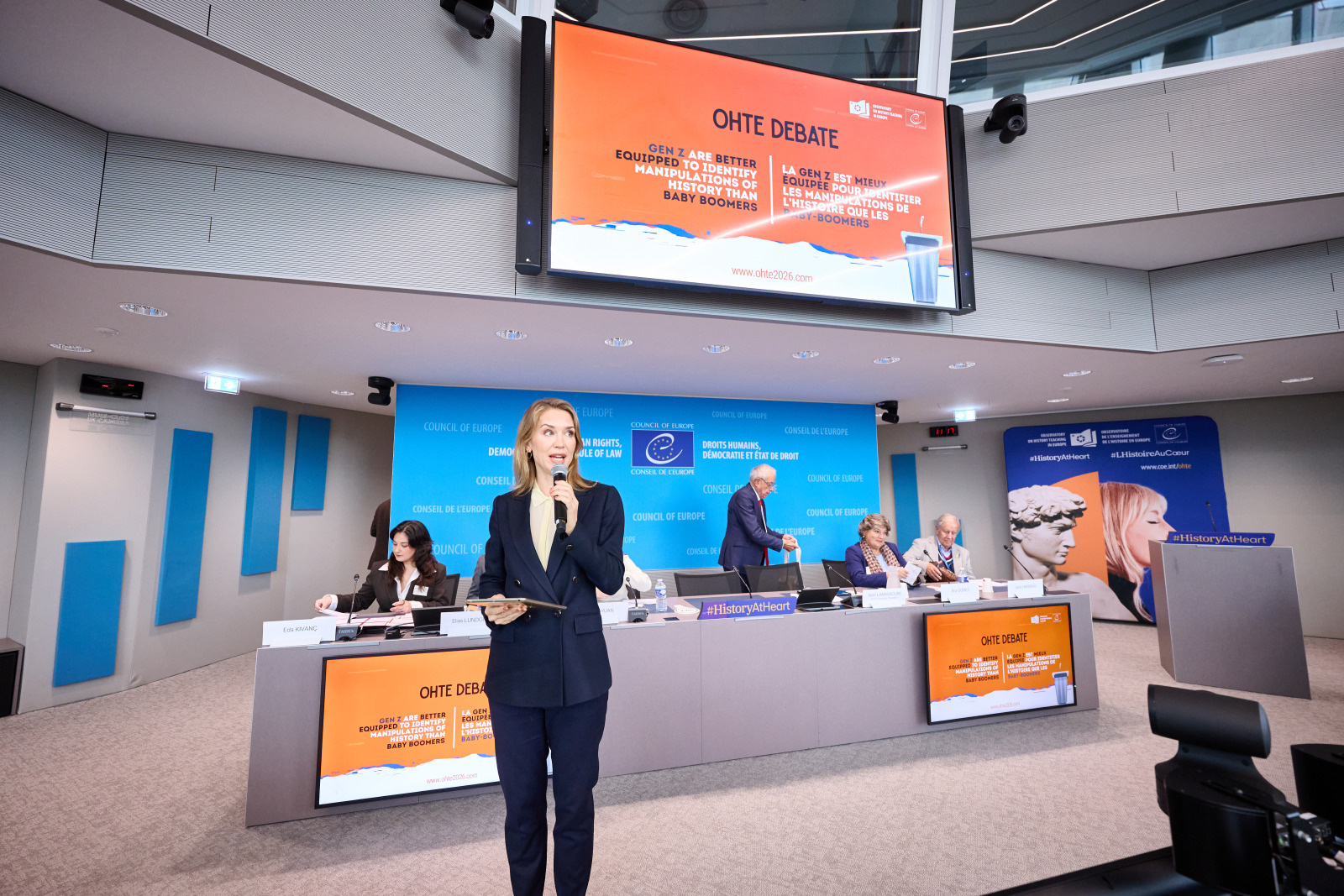
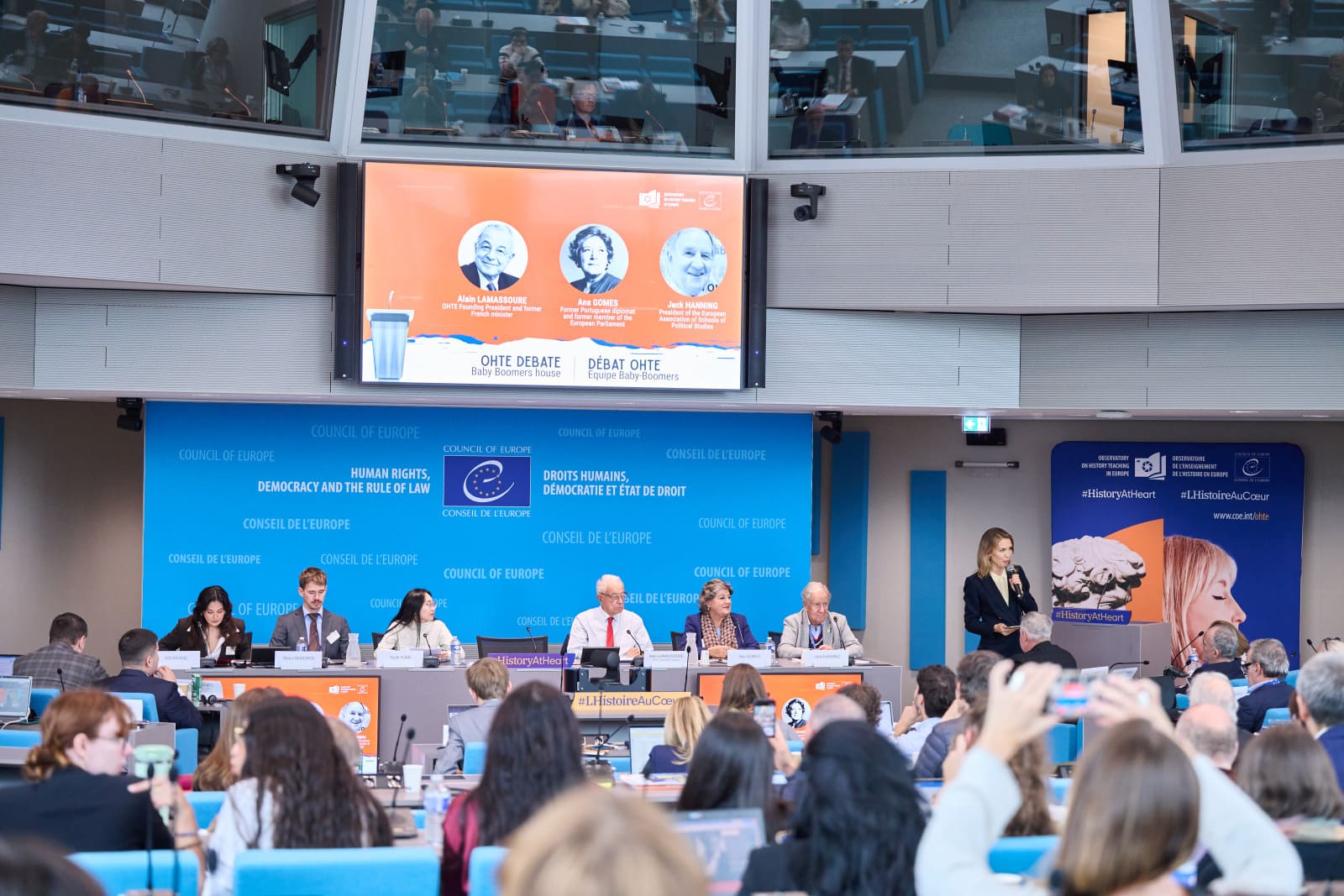
OHTE Debate:“Gen Z are better equipped to identify manipulations of history than Baby Boomers”
This OHTE Debate will invite participants to challenge the widely held assumption that younger generations are better equipped to detect manipulated historical narratives than their older counterparts. By confronting opposing arguments, the debate will explore whether growing up in a digital and information-saturated environment strengthens critical thinking skills or, on the contrary, exposes individuals to new forms of disinformation. The debate will encourage speakers and audiences alike to question stereotypes about generational competences, reflect on the role of education in developing historical literacy, and consider how different generations can learn from one another to better resist the misuse of history in public discourse.
Moderation: Hayley EDMONDS, Journalist and moderator
This OHTE Debate will invite participants to challenge the widely held assumption that younger generations are better equipped to detect manipulated historical narratives than their older counterparts. By confronting opposing arguments, the debate will explore whether growing up in a digital and information-saturated environment strengthens critical thinking skills or, on the contrary, exposes individuals to new forms of disinformation. The debate will encourage speakers and audiences alike to question stereotypes about generational competences, reflect on the role of education in developing historical literacy, and consider how different generations can learn from one another to better resist the misuse of history in public discourse.
Moderation
Hayley EDMONDS, Journalist and moderator
Supporting House
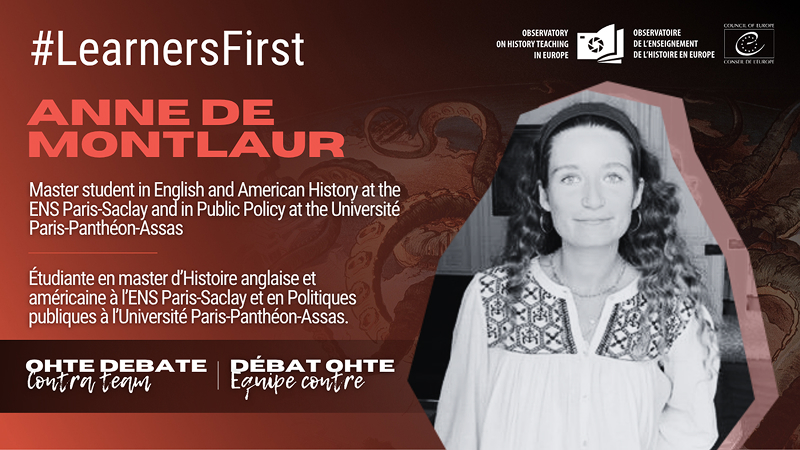
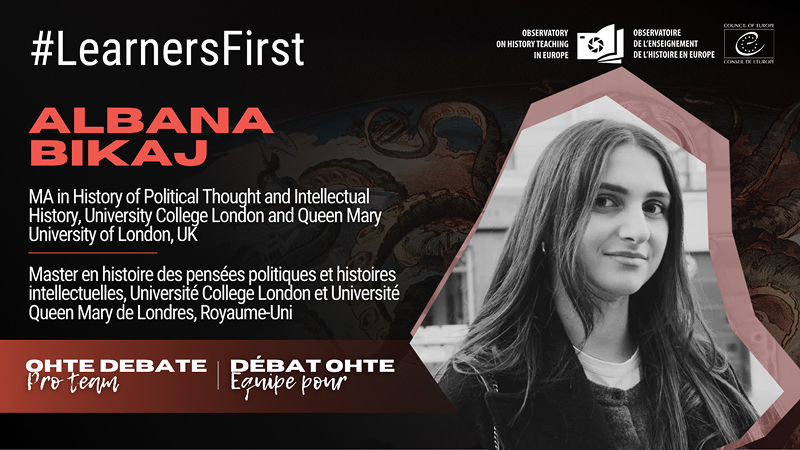
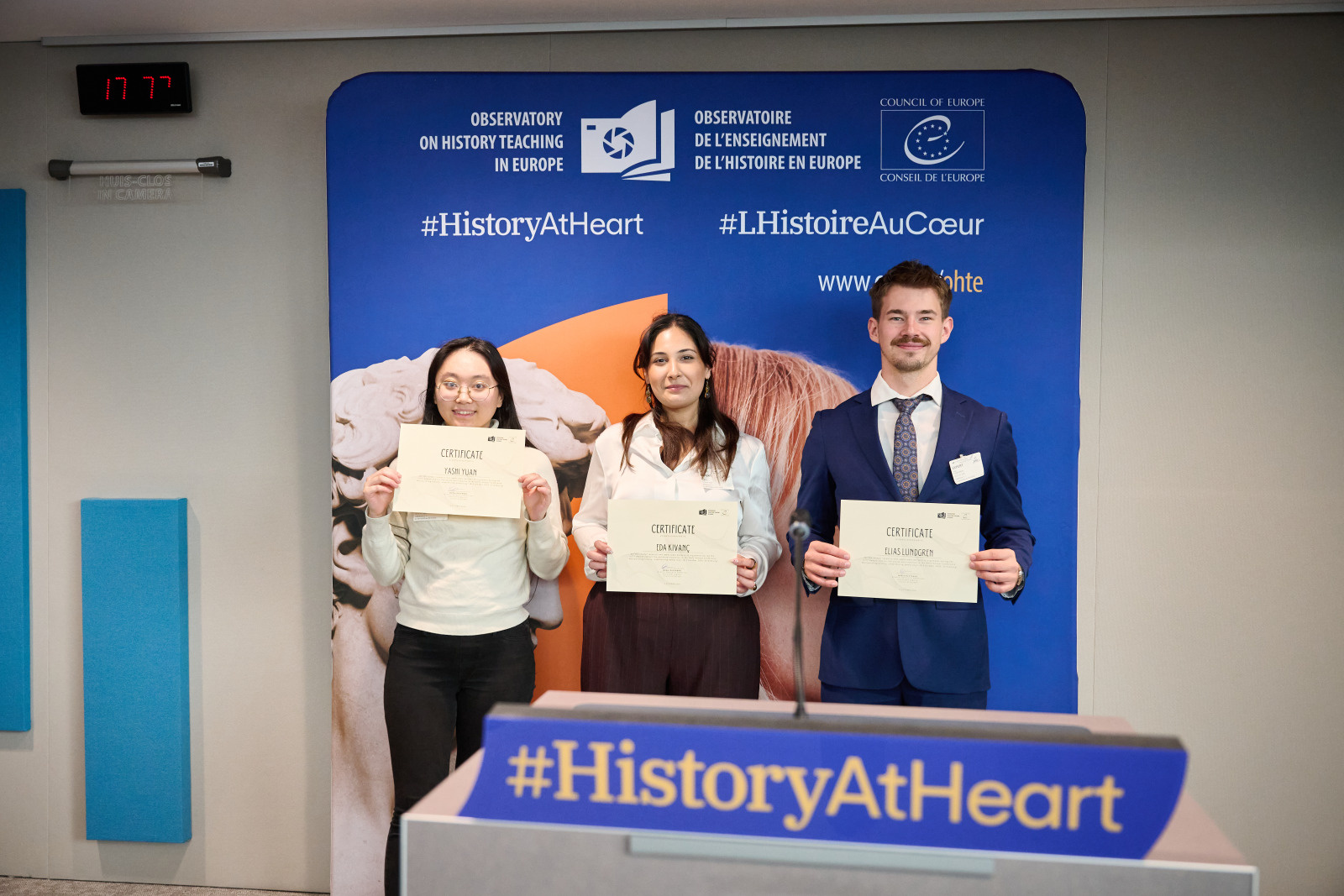
Eda KIVANÇ, MA in Teacher education, University of Cologne
Elias LUNDGREN, MA in Political Science, Stockholm University
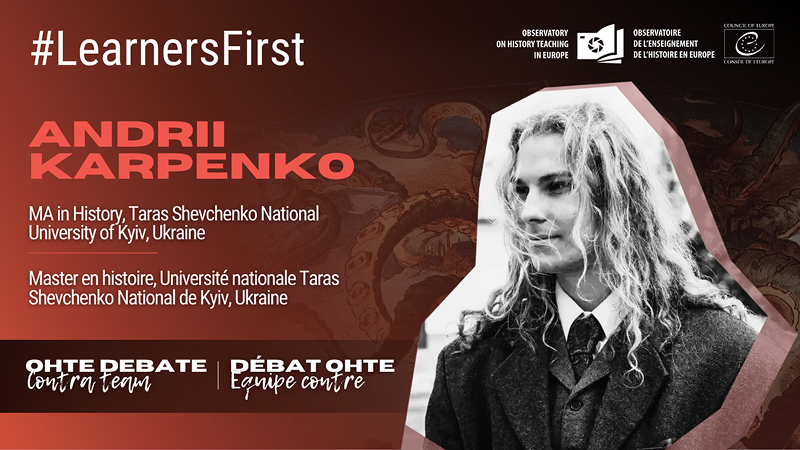
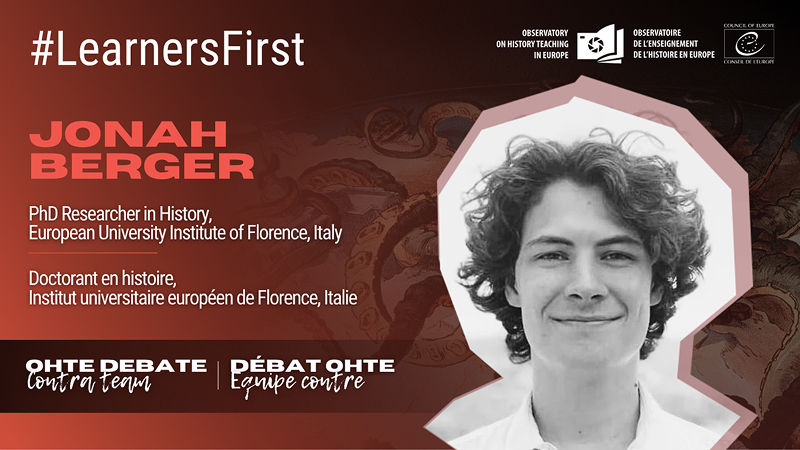
Yashi YUAN, PhD Researcher in History Education, University College London
Opposing House
Ana GOMES, Former Portuguese diplomat and former member of the European Parliament
Jack HANNING, President of the European Association of Schools of Political Studies
Alain LAMASSOURE, OHTE Founding President and former French minister
Commentator
Stéphane LÉVESQUE, Member of the OHTE Scientific Advisory Council, Associate professor at the Faculty of Education, University of Ottawa
WORKSHOPS: "One step ahead in history education: new ways to combat disinformation" (OFFLINE)
The workshops will provide a space for practical and forward-looking exchanges on how to address the manipulation of historical information in educational and public contexts. Participants will explore concrete strategies to help learners recognise and critically assess historical content encountered both inside and outside the classroom, reflect on the evolution of didactics in an era shaped by misinformation and digital media, and examine the role of public history in fostering dialogue, bridging societal divides and strengthening understanding of democratic values. By encouraging interactive discussions and the sharing of professional and student practices, these sessions aim to support educators, researchers and practitioners in developing innovative approaches to history teaching and public engagement.
The workshops will provide a space for practical and forward-looking exchanges on how to address the manipulation of historical information in educational and public contexts. Participants will explore concrete strategies to help learners recognise and critically assess historical content encountered both inside and outside the classroom, reflect on the evolution of didactics in an era shaped by misinformation and digital media, and examine the role of public history in fostering dialogue, bridging societal divides and strengthening understanding of democratic values. By encouraging interactive discussions and the sharing of professional and student practices, these sessions aim to support educators, researchers and practitioners in developing innovative approaches to history teaching and public engagement.
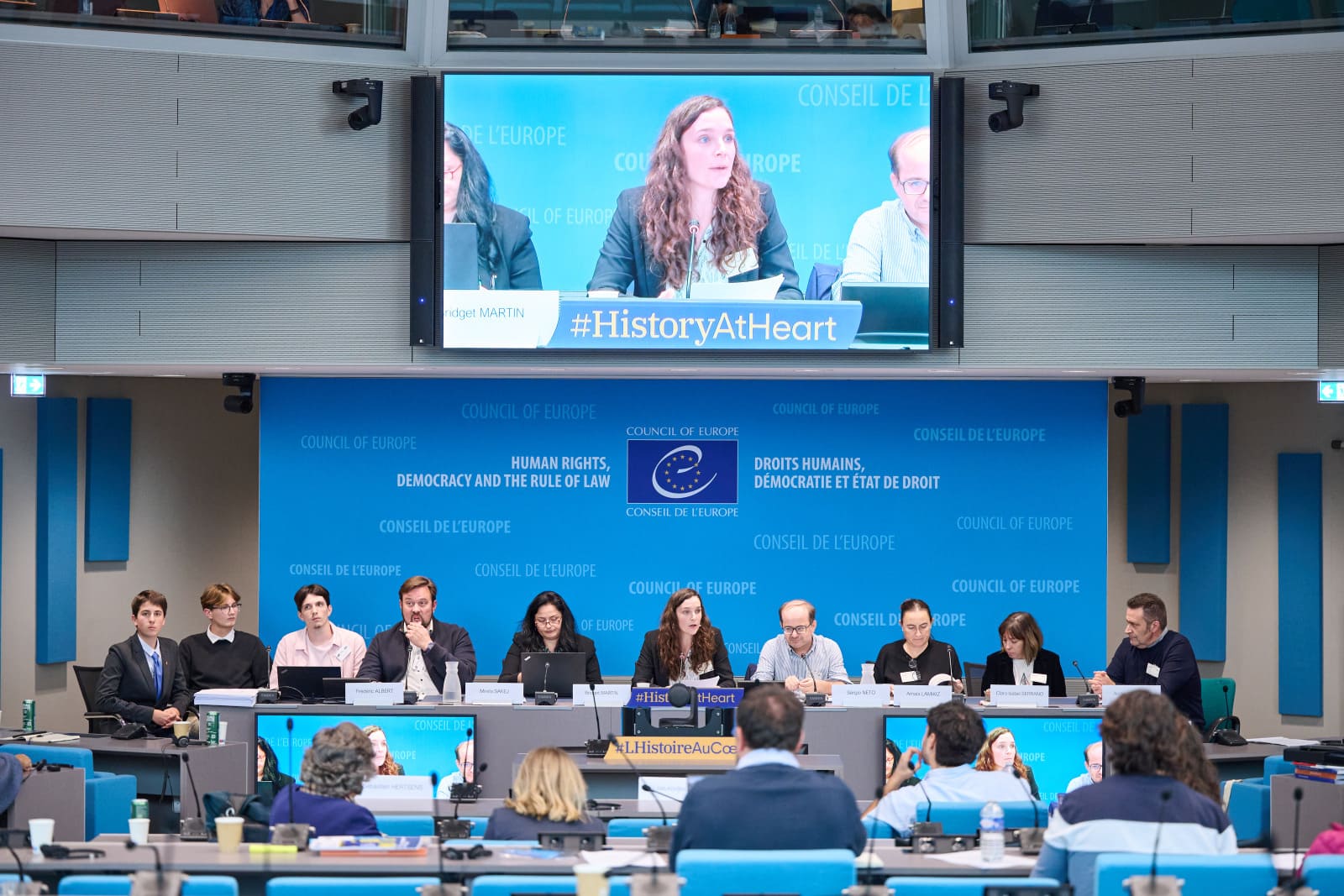
Workshop 1: Pedagogical approaches in the age of fake news
Room 1
Moderation
Bridget MARTIN, Classroom teacher and curriculum coordinator, International School of Paris
Initiatives
Alpha-Aleph: a deliberative approach for fighting the manipulation of history and reinforcing democratic resilience by Frédéric ALBERT (Franco-German School of Freiburg)
History detectives: combatting disinformation through critical thinking and digital heritage by Mirela SAKEJ (Oso Kuka School, Shkodër, Albania)
Teaching contested histories in times of polarisation: dealing with historical disinformation in the classroom by Ander DELGADO, Amaia LAMIKIZ (University of the Basque Country), Sérgio NETO (University of Porto), Clara Isabel SERRANO (University of Lisbon)
Rapporteur
Caitríona NÍ CASSAITHE, Member of the OHTE Scientific Advisory Council, Assistant Professor of History Education, Dublin City University
Workshop 2: Recognising historical disinformation inside and outside the classroom
Room 2
Moderation
Joanna WOJDON, Professor at the Department of History and Civics Didactics, Historical Institute, University of Wrocław
Initiatives
The fading away of locus credibilis, by István RÉV (Blinken OSA Archivum, Central European University)
From visual sources to historical narrative: interpretation, manipulation and meaning in the age of fake news by Edgars BĒRZIŅŠ (University of Latvia)
The Commission into Countering Online Conspiracies in Schools by Michael KANE (Public First)
Rapporteur
Arthur CHAPMAN, Vice-Chair of the OHTE Scientific Advisory Council, Professor of History Education and Head of Department of Curriculum, Pedagogy and Assessment, University College London
Workshop 3: History, propaganda and the uses of the past
Room 3
Moderation
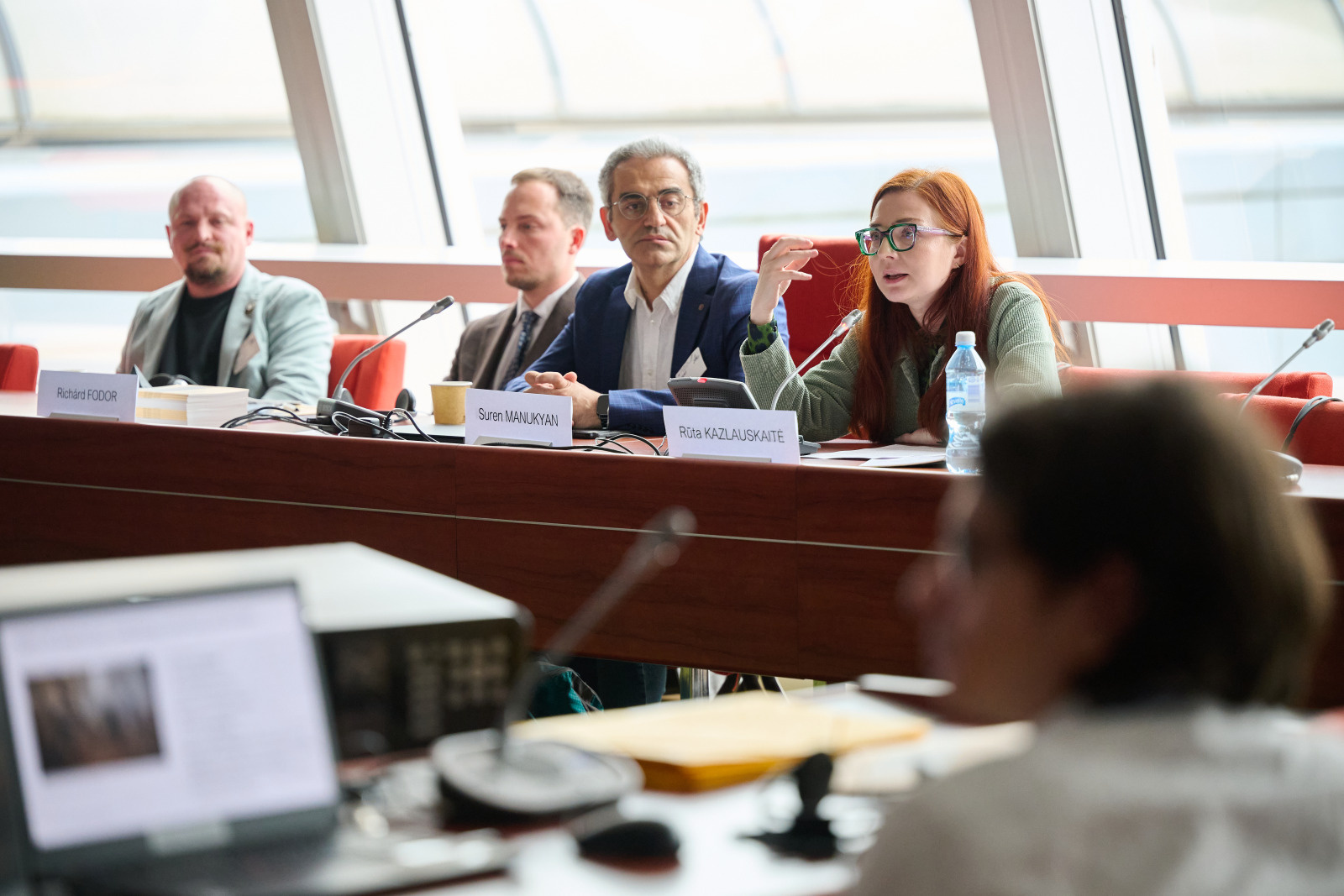
Suren MANUKYAN, Vice-Chair of the OHTE Governing Board, Armenia
Initiatives
From storytelling to storyliving: recognising and resisting immersive historical propaganda by Rūta KAZLAUSKAITĖ (University of Helsinki)
Enemies, beetles and peace camps: decoding ideological language in history and today by Richárd FODOR (Pázmány Péter Catholic University, Hungary), Juraj VARGA (Centre for Education and Innovations, Slovakia)
Rapporteur
Dovilė SAGATIENĖ, Member of the OHTE Scientific Advisory Council, Head of the Memory and Justice Research Centre at Mykolas Romeris University (MRU)
OHTE TALKS
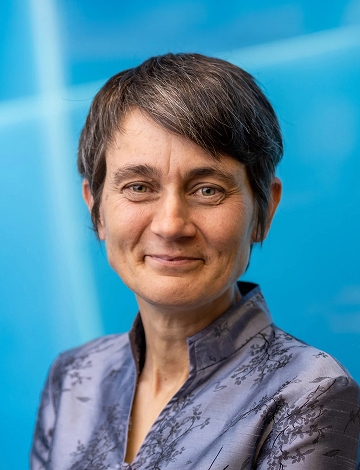
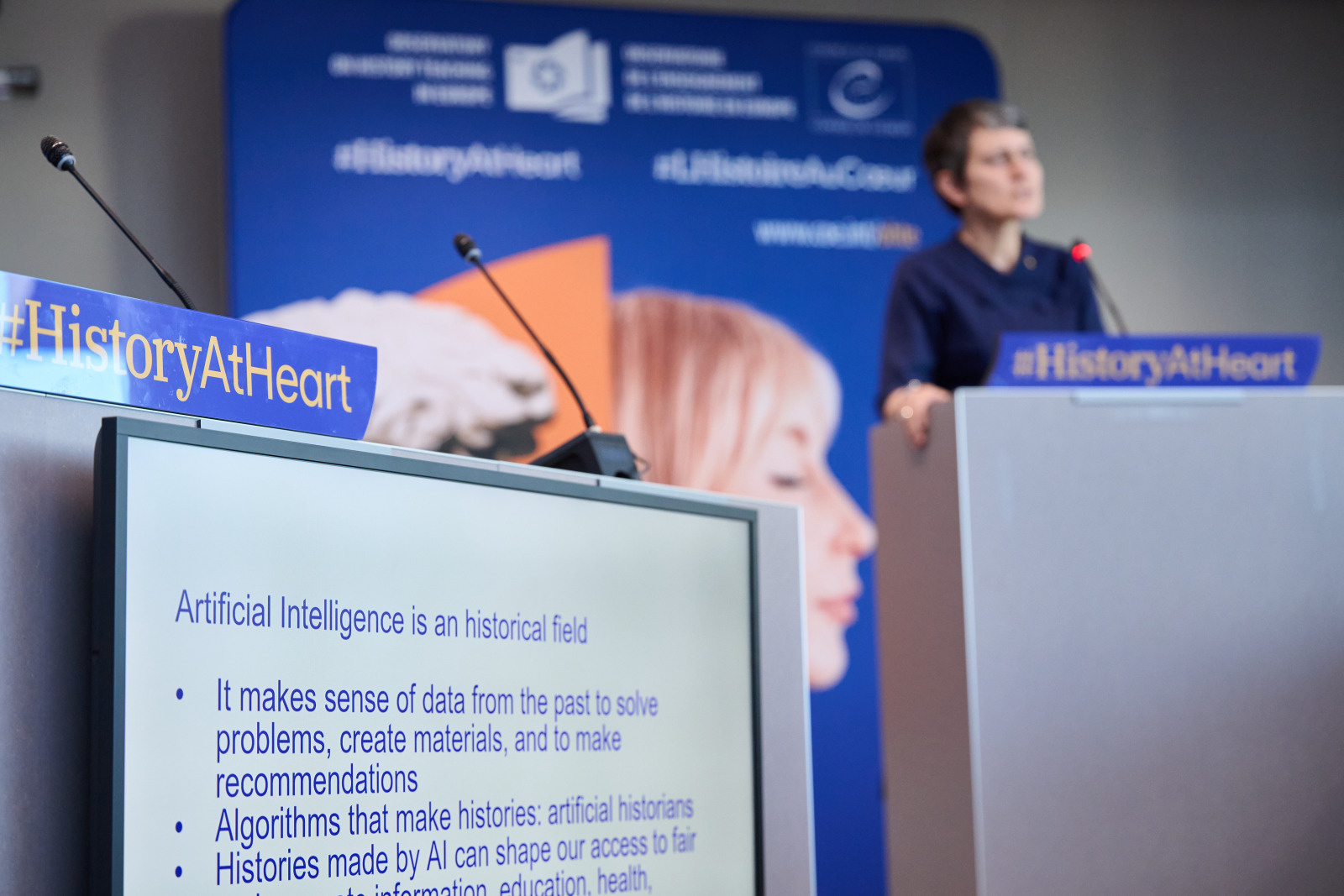
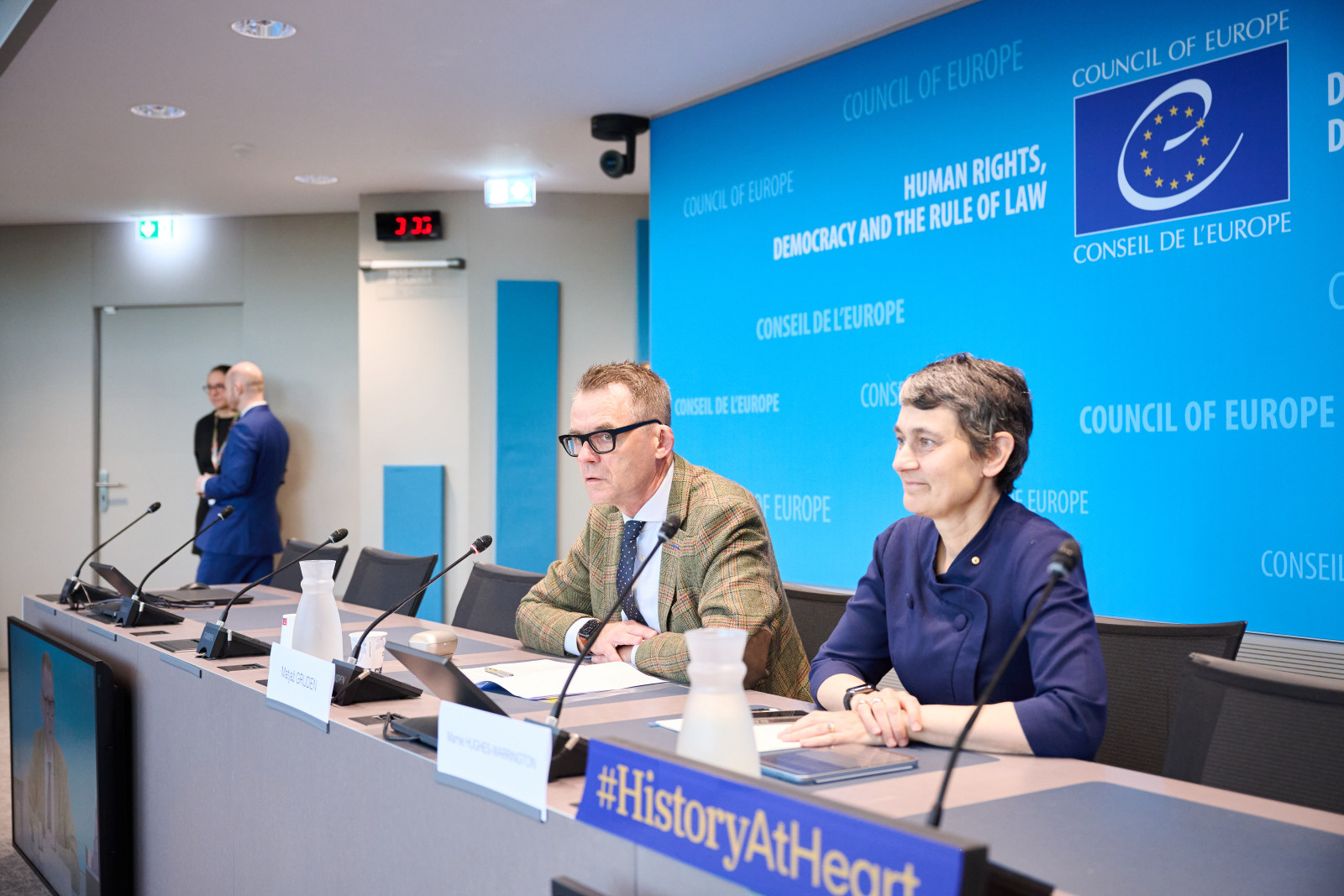
Dealing with artificial historians: disinformation in the age of AI
This OHTE Talk will explore the transformative impact of emerging technologies on the ways history is researched, taught and understood. By examining both the opportunities and the challenges created by digital tools, artificial intelligence and new forms of knowledge production, the session will invite reflection on how technological developments are reshaping access to historical information and the transmission of historical knowledge. It will also address the need to balance innovation with methodological rigour, highlighting how educators and institutions can harness new technologies to support critical thinking, strengthen historical understanding and promote responsible engagement with the past in a rapidly evolving digital landscape.
MARNIE HUGHES-WARRINGTON
AO Bradley Distinguished Professor of History/Philosophy, School of Humanities, Adelaide University, Australia
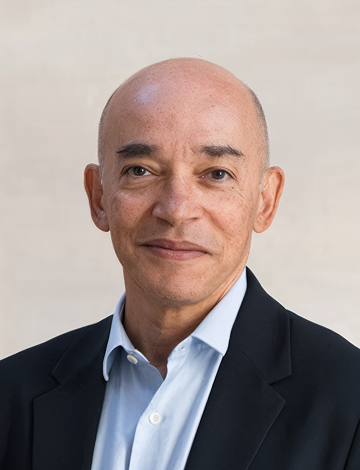
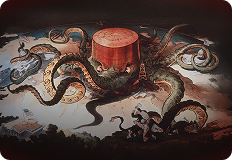
The machine of lies: propaganda and the misuse of history
This OHTE Talk will explore the historical roots, mechanisms and contemporary manifestations of propaganda and disinformation, examining how narratives are deliberately constructed to influence public opinion and shape collective memory. By viewing these phenomena through a long-term historical lens, light will be shed on the strategies used to legitimise power, mobilise societies and manipulate perceptions of the past and present. The session will also invite reflections on the role of education in equipping learners with the analytical tools required to recognise these processes, fostering critical awareness and strengthening democratic resilience in an increasingly complex information environment.
FABRICE D’ALMEIDA
Professor of History, Chair of the Department of Information sciences and communication, Université Paris-Panthéon-Assas
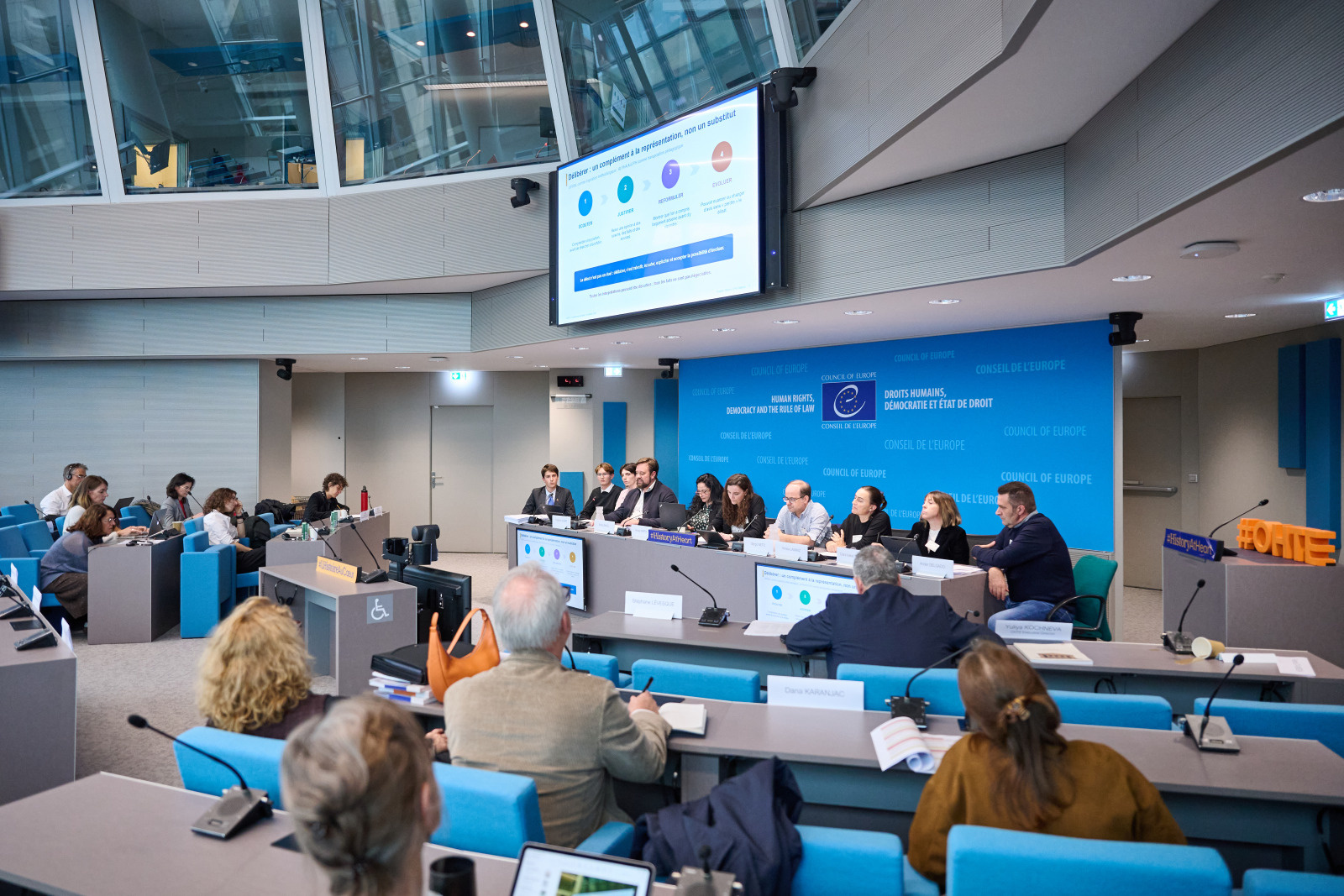
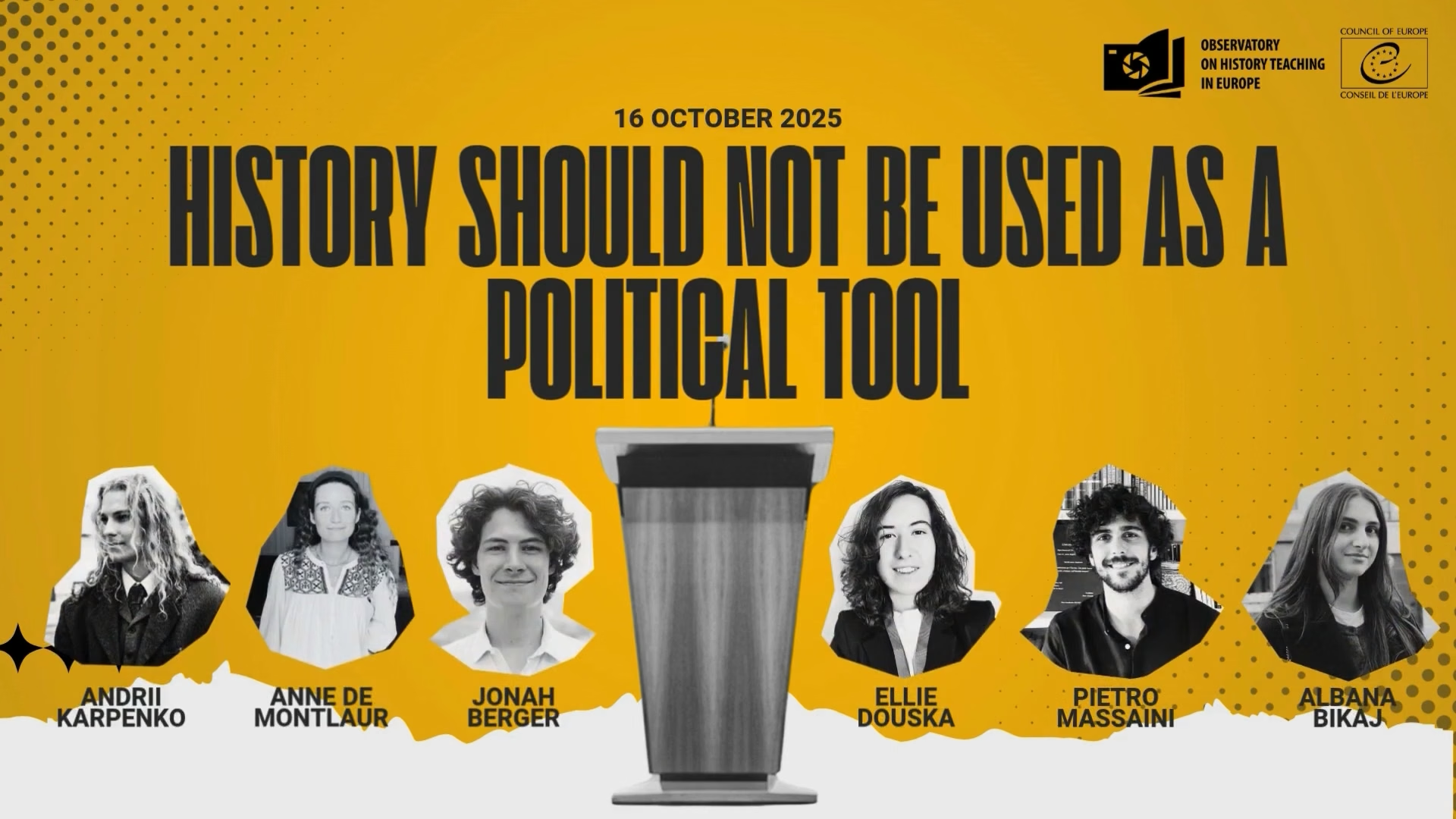
Gen Z are better equipped to identify manipulations of History than Baby Boomers
Are younger generations better equipped than seniors to spot and question disinformation on history. Let's make a debate out of it.
OHTE Debates aim to break opinion echo chambers, stimulate critical thinking, and contribute to the Council of Europe’s New Democratic Pact and its broader mission to renew democratic culture across the continent.
Are you under 30 and do you want to join the Gen Z House? Have a look at the conditions to apply below.
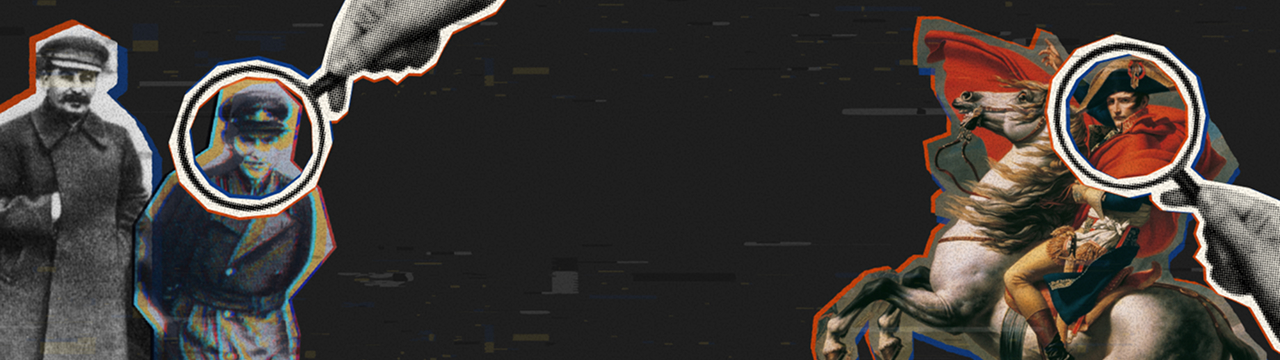
Real or Fake?
Speakers
View all

ONE STEP AHEAD
IN HISTORY EDUCATION
Three parallel, off-line workshops will showcase the latest initiatives in terms of practice, didactics and public history, aiming to counter disinformation and manipulation of history.
See the OHTE Data
#LearnersFirst
of the OHTE Annual Conference
Download below the “Council of Europe education strategy 2030”



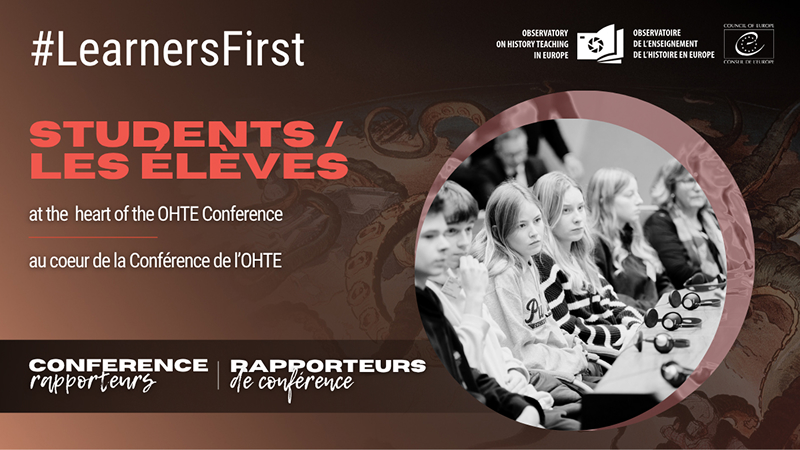
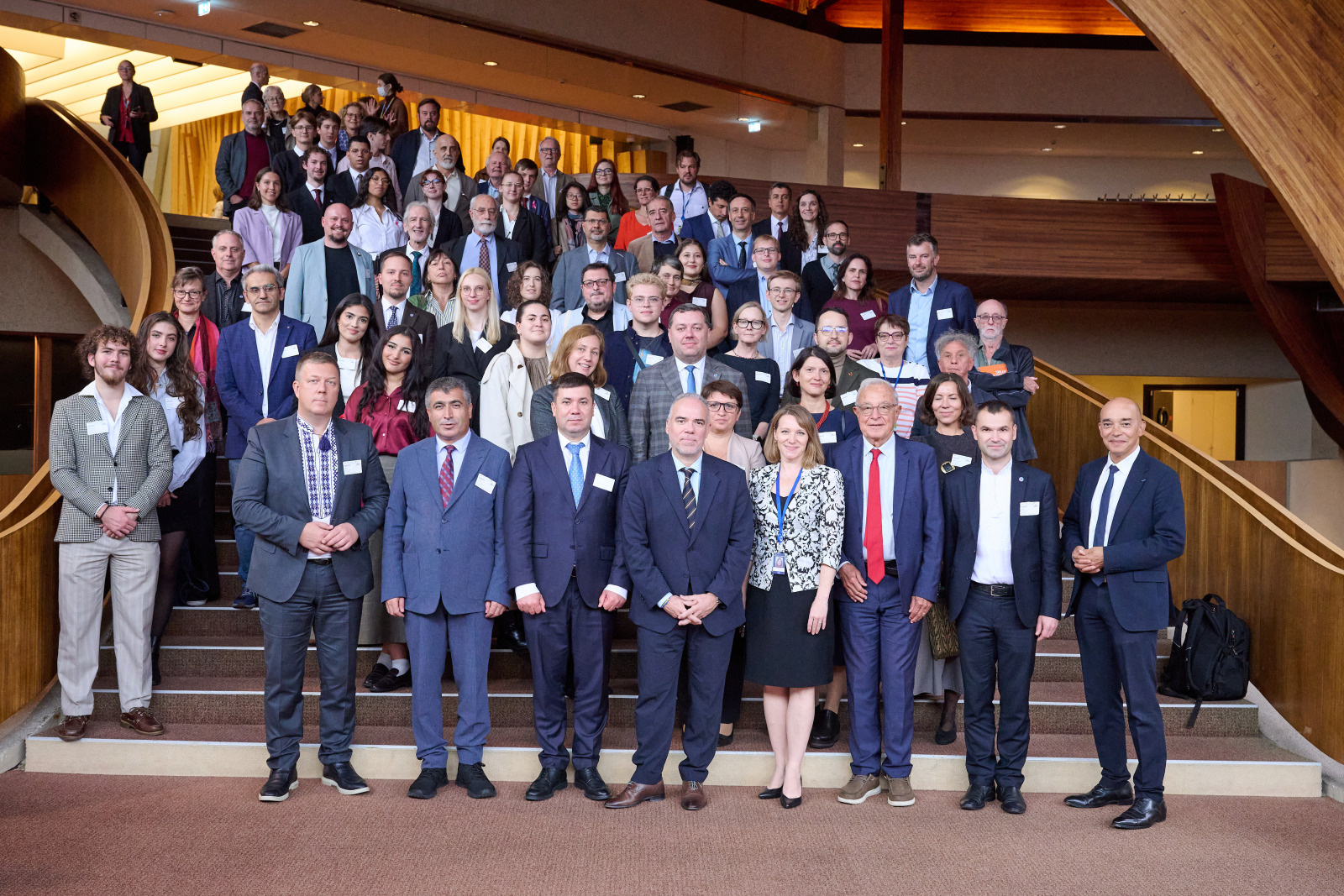
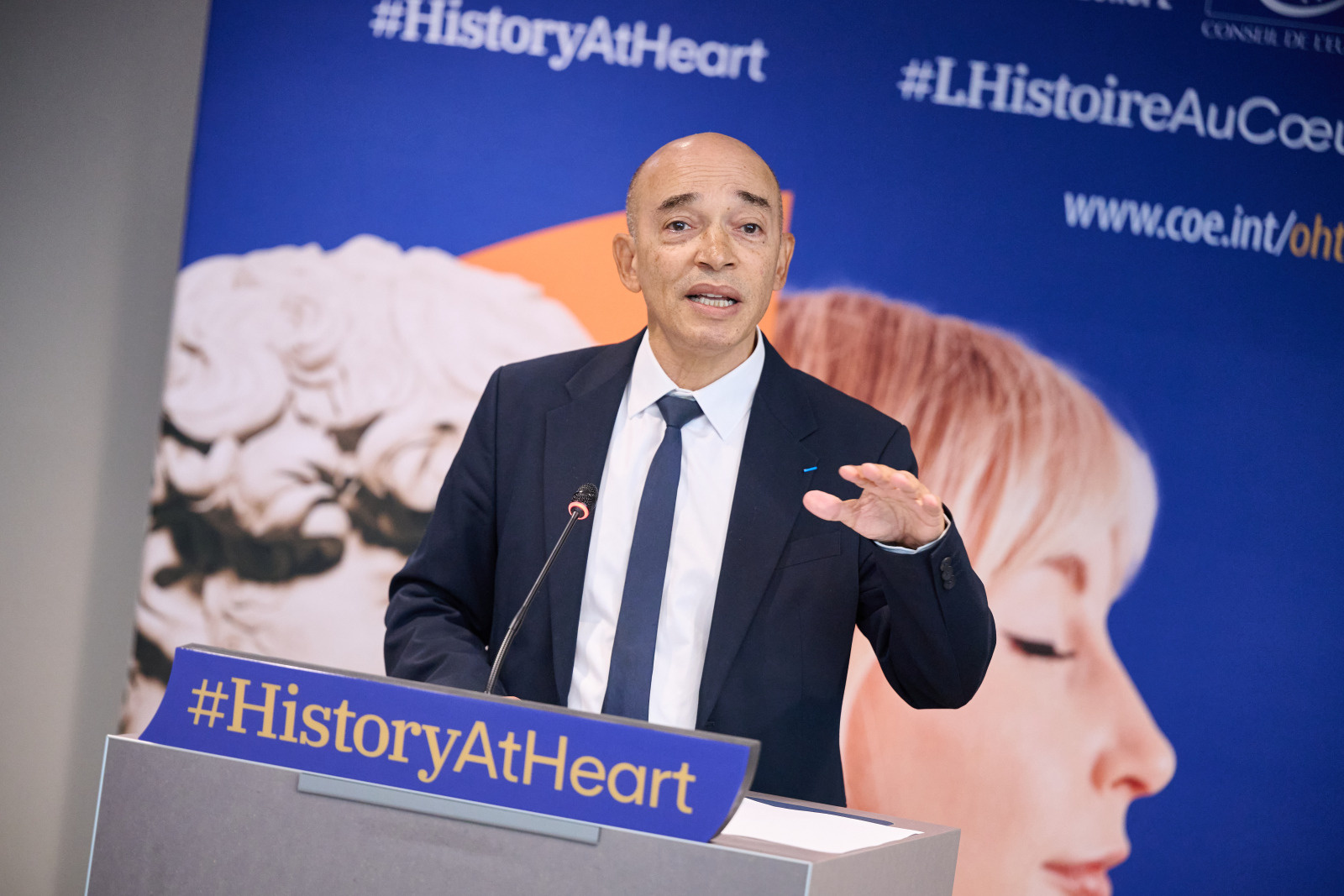
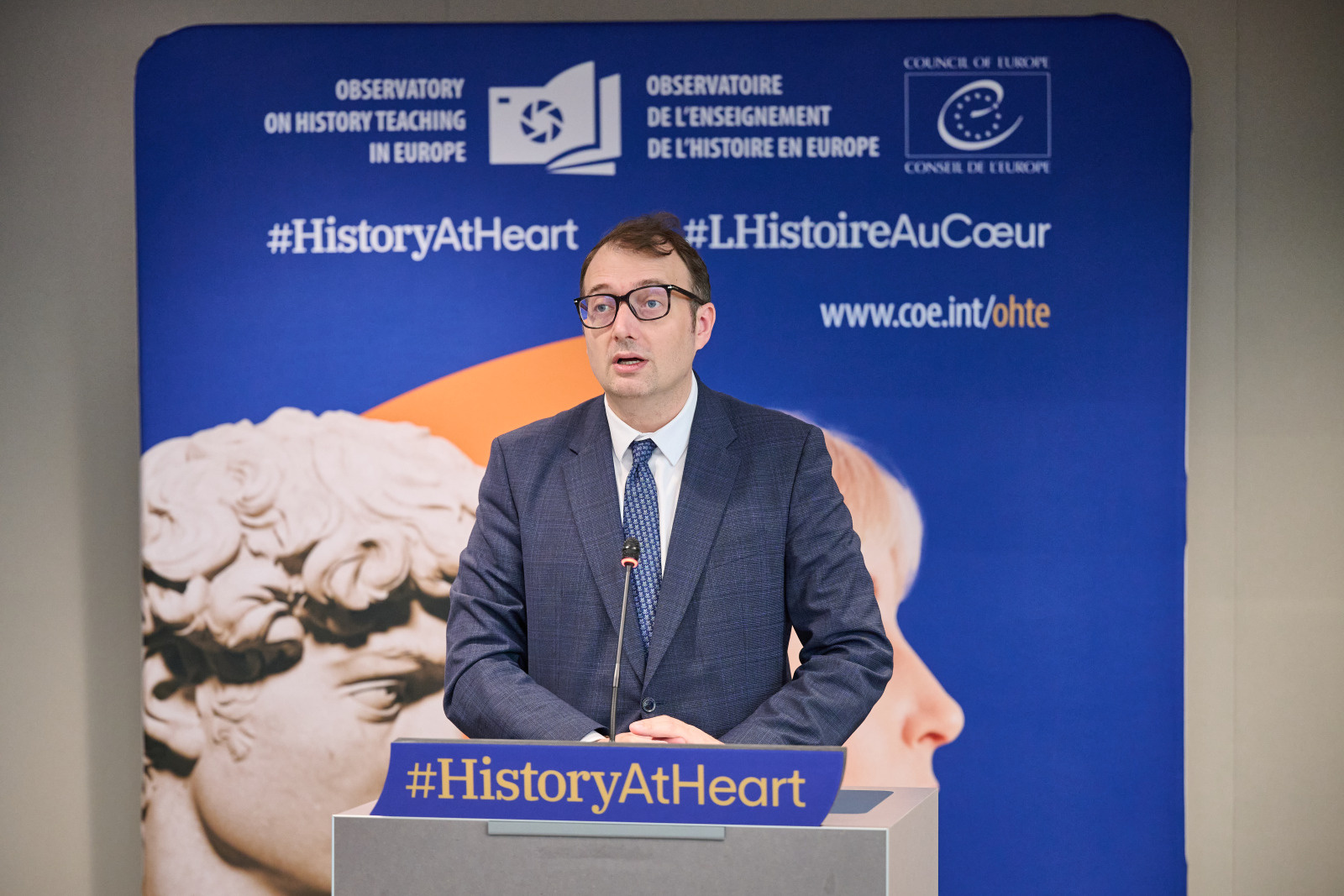
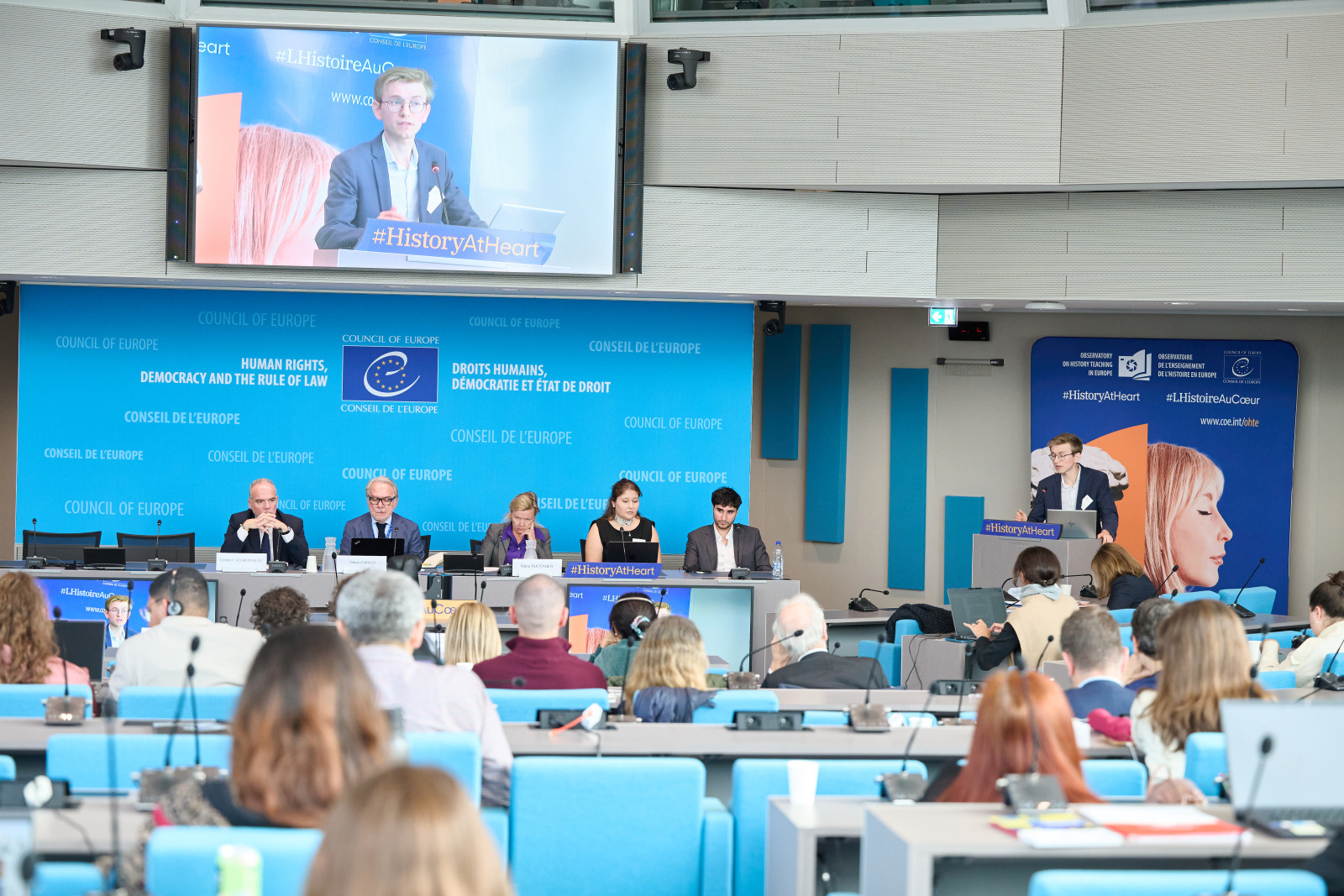
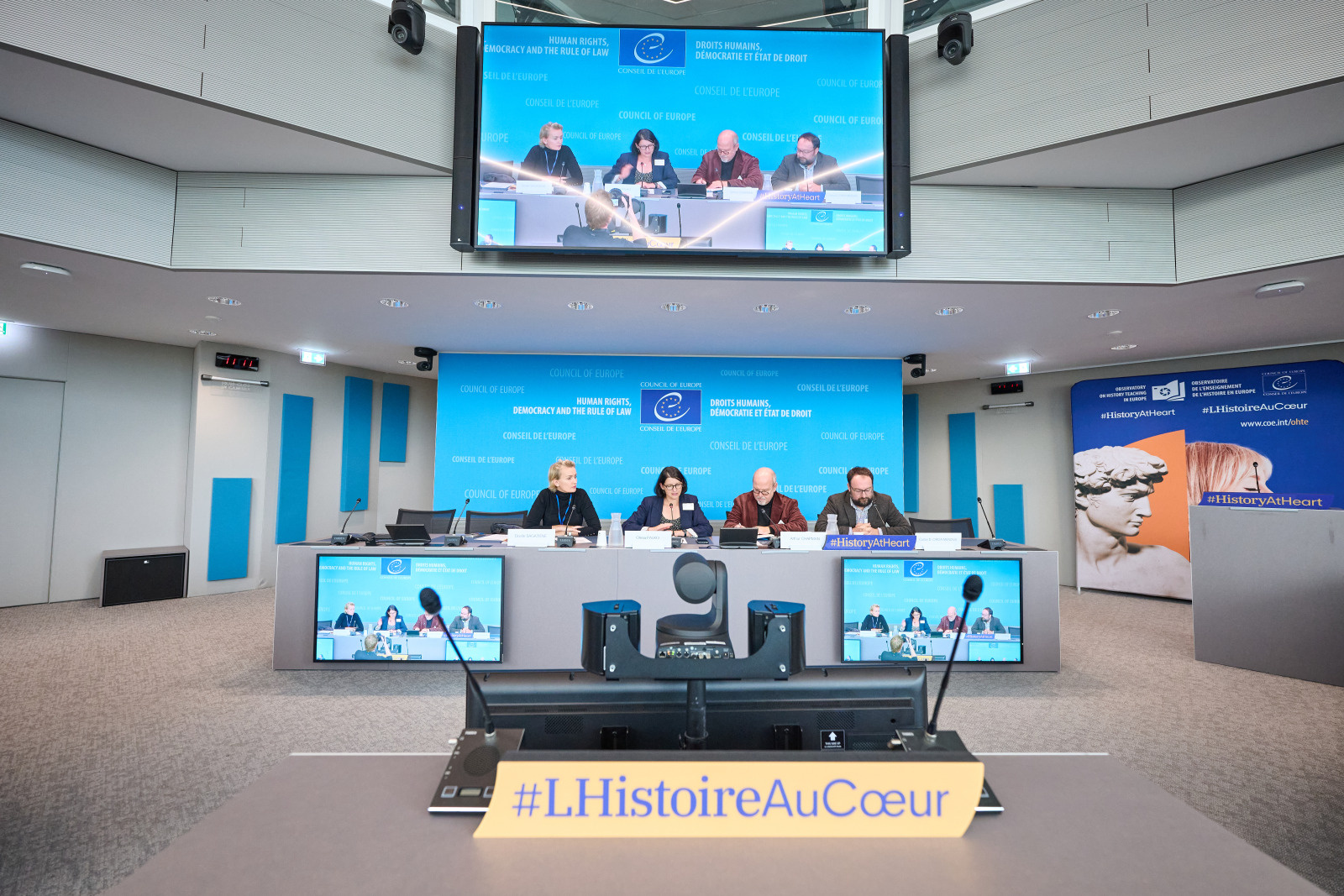
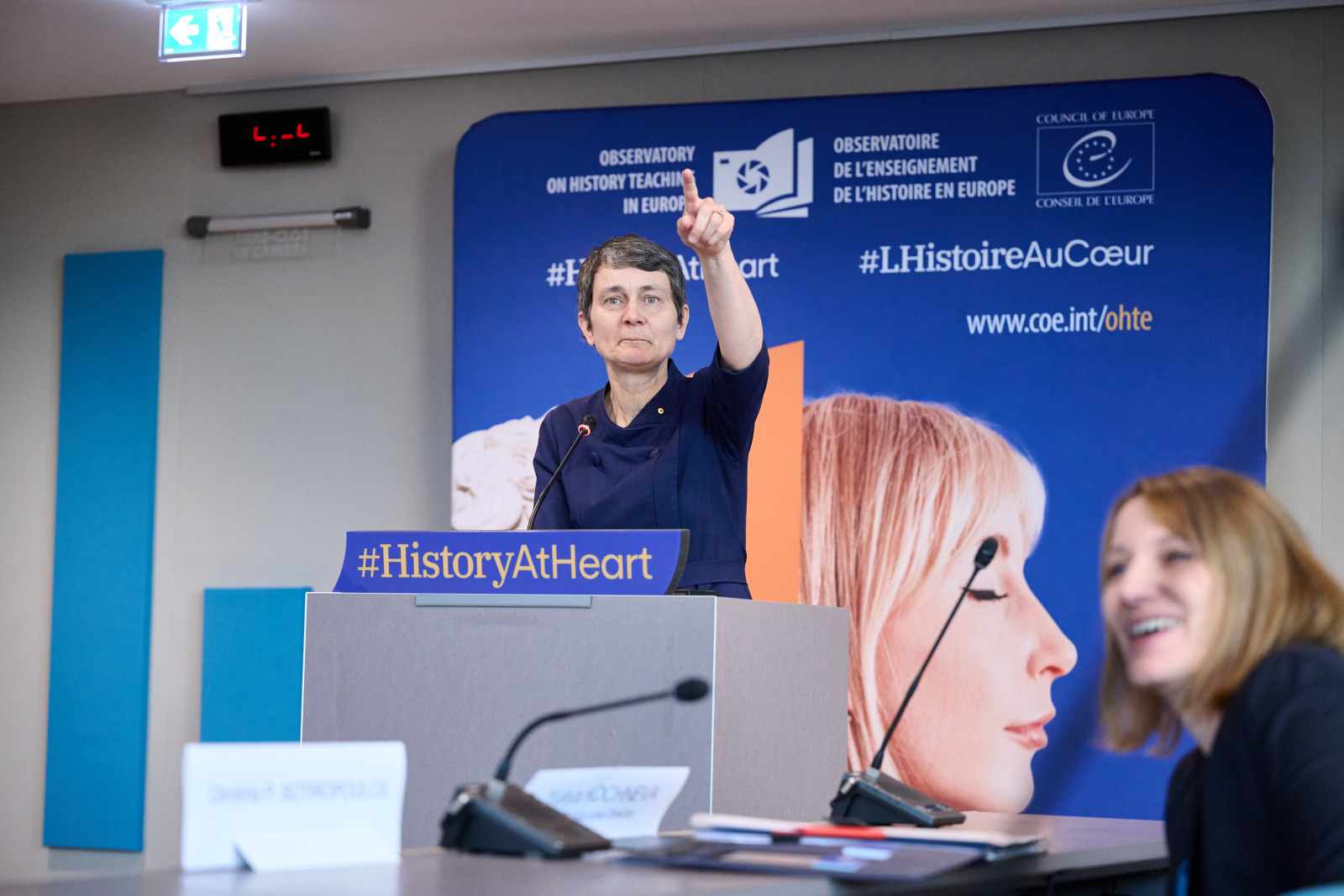
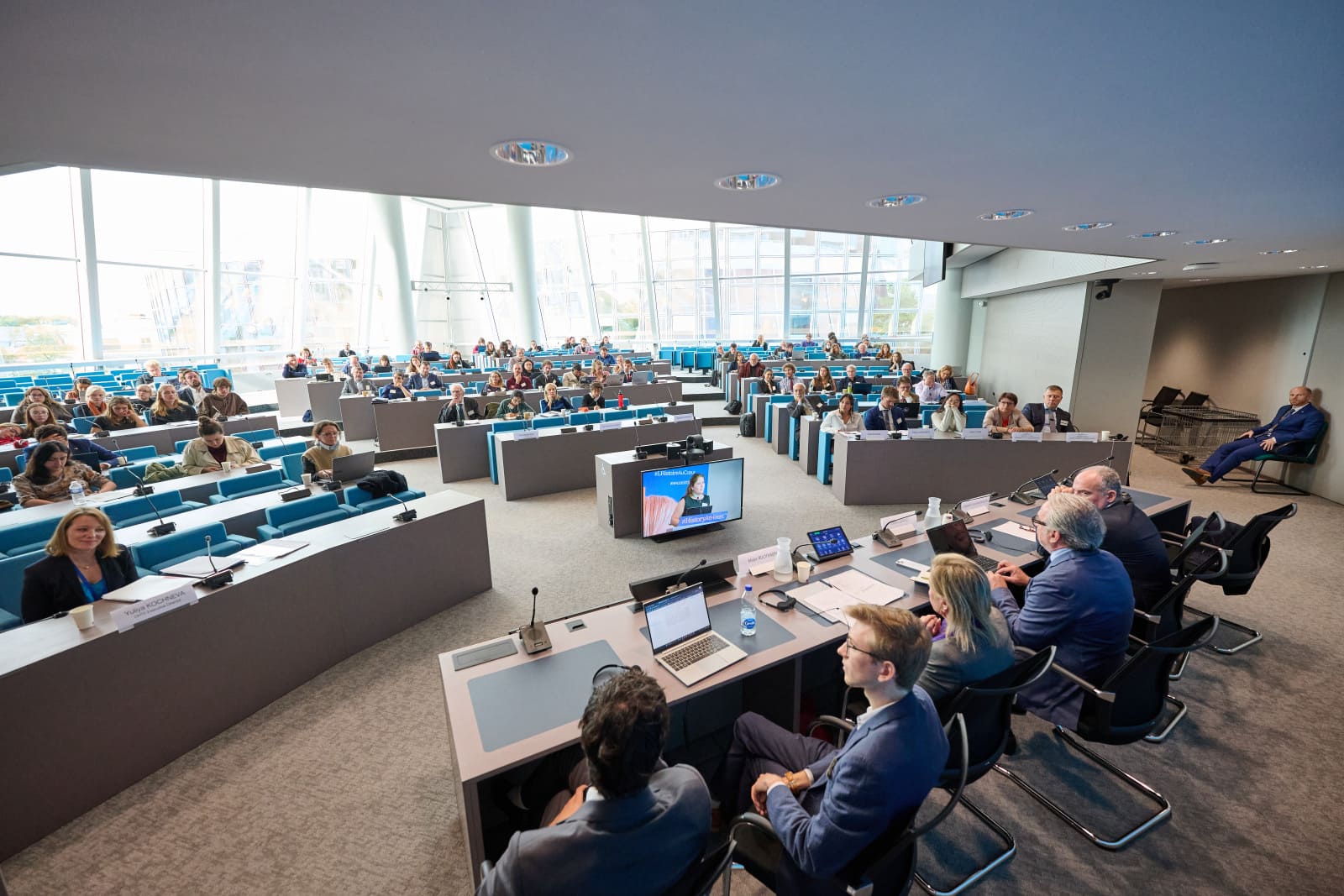
Glimpses from the conference
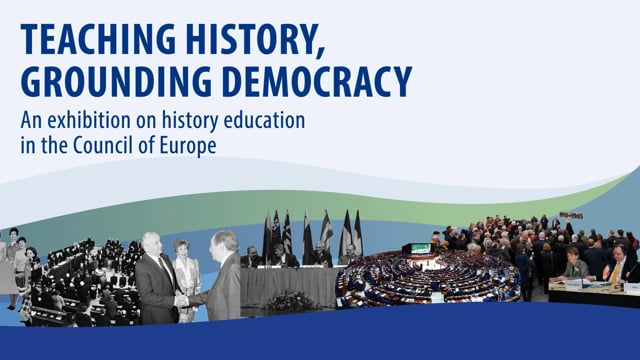
Teaching History, Grounding Democracy

Resources