Manipulating history

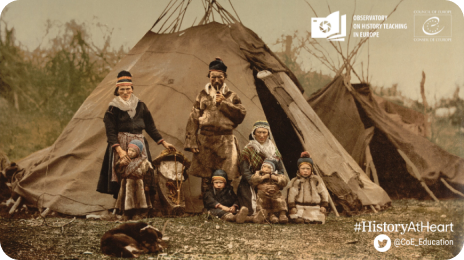
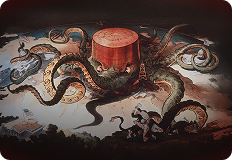
Details about the photos in the video

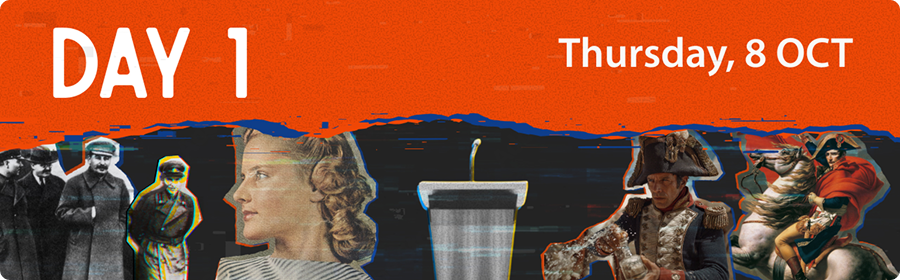
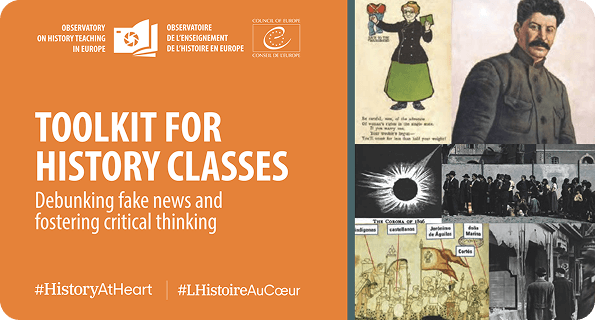
  1. Kliment Voroshilov, Vyacheslav Molotov, Stalin and Nikolai Yezhov at the shore of the Moscow Canal or Volga–Don Canal, Russia, 1937, unknown author, public domain. Historical example of image manipulation: Nikolay Yezhov (head of the political police tasked with carrying out repression and purges throughout the Soviet Union) was convicted and executed on the order of Stalin in 1940. His image was subsequently removed from all photographs.
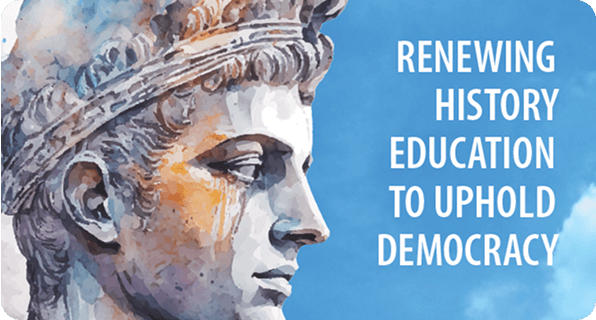
  2. AI generated image of Napoleon Bonaparte; source: Facebook clickbait page using AI generated images and stories based on historical events, including the Holocaust – denounced by Auschwitz Museum and used as an example of modern-day distortion of historical evidence. The image intends to denounce the use of AI for the representation of historical events and figures.
  3. German weekly calendar "Kalender des Rassenpolitischen Amtes der NSDAP" (Calendar of the National Socialist Race Political Office). The colored cover features a portrait of a blonde German woman. The interior is printed in black with photographs of Germans and German landscapes. The illustrations depict the Aryan race as idealized in National Socialist racial doctrine, 1943, Rijksmuseum, public domain. The image used on the cover of the programme denounces propaganda use of images that idealise and distort representations of society.
OHTE Annual
Conference 2026
89

oct

Strasbourg
& Online
Registration for
institutions (in person)

Programme

OPENING SESSION: “Democracies standing up against manipulations of history”

Opening words by Alain Berset, Secretary General of the Council of Europe and Gabriel Revel, Ambassador and Permanent Representative of Monaco, on behalf of the Presidency of the Committee of Ministers of the Council of Europe

Plenary Session 1: “The facts, the whole facts and nothing but the facts”

This session will address the growing challenges posed by the distortion and instrumentalisation of historical narratives in contemporary societies, while bringing together diverse perspectives that reflect the varied backgrounds of its speakers. The discussion will highlight how historical facts can be manipulated, and how such distortions can be analysed and debunked. At a time when disinformation and selective interpretations of the past increasingly threaten democratic values, the session will emphasise the essential role of reliable knowledge, methodological rigour and critical engagement with sources, helping citizens better understand the complexity of the past and engage more thoughtfully in public debates.

OHTE Talk“The machine of lies: propaganda and the misuse of history”

This OHTE Talk will explore the historical roots, mechanisms and contemporary manifestations of propaganda and disinformation, examining how narratives are deliberately constructed to influence public opinion and shape collective memory. By viewing these phenomena through a long-term historical lens, light will be shed on the strategies used to legitimise power, mobilise societies and manipulate perceptions of the past and present. The session will also invite reflections on the role of education in equipping learners with the analytical tools required to recognise these processes, fostering critical awareness and strengthening democratic resilience in an increasingly complex information environment.

This OHTE Talk will explore the historical roots, mechanisms and contemporary manifestations of propaganda and disinformation, examining how narratives are deliberately constructed to influence public opinion and shape collective memory. By viewing these phenomena through a long-term historical lens, light will be shed on the strategies used to legitimise power, mobilise societies and manipulate perceptions of the past and present. The session will also invite reflections on the role of education in equipping learners with the analytical tools required to recognise these processes, fostering critical awareness and strengthening democratic resilience in an increasingly complex information environment.


Fabrice D’ALMEIDA, Professor of History, Chair of the Department of Information sciences and communication, Université Paris-Panthéon-Assas


Moderation: Hayley EDMONDS, Journalist and TV host
OHTE Debate:“Gen Z are better equipped to identify manipulations of history than Baby Boomers”

This OHTE Debate will invite participants to challenge the widely held assumption that younger generations are better equipped to detect manipulated historical narratives than their older counterparts. By confronting opposing arguments, the debate will explore whether growing up in a digital and information-saturated environment strengthens critical thinking skills or, on the contrary, exposes individuals to new forms of disinformation. The debate will encourage speakers and audiences alike to question stereotypes about generational competences, reflect on the role of education in developing historical literacy, and consider how different generations can learn from one another to better resist the misuse of history in public discourse.

OFFLINE WORKSHOPS: “One step ahead in history education: new ways to combat disinformation"

The workshops will provide a space for practical and forward-looking exchanges on how to address the manipulation of historical information in educational and public contexts. Participants will explore concrete strategies to help learners recognise and critically assess historical content encountered both inside and outside the classroom, reflect on the evolution of didactics in an era shaped by misinformation and digital media, and examine the role of public history in fostering dialogue, bridging societal divides and strengthening understanding of democratic values. By encouraging interactive discussions and the sharing of professional and student practices, these sessions aim to support educators, researchers and practitioners in developing innovative approaches to history teaching and public engagement.

OHTE Talk:“Dealing with artificial historians: disinformation in the age of AI”

This OHTE Talk will explore the transformative impact of emerging technologies on the ways history is researched, taught and understood. By examining both the opportunities and the challenges created by digital tools, artificial intelligence and new forms of knowledge production, the session will invite reflection on how technological developments are reshaping access to historical information and the transmission of historical knowledge. It will also address the need to balance innovation with methodological rigour, highlighting how educators and institutions can harness new technologies to support critical thinking, strengthen historical understanding and promote responsible engagement with the past in a rapidly evolving digital landscape.

This OHTE Talk will explore the transformative impact of emerging technologies on the ways history is researched, taught and understood. By examining both the opportunities and the challenges created by digital tools, artificial intelligence and new forms of knowledge production, the session will invite reflection on how technological developments are reshaping access to historical information and the transmission of historical knowledge. It will also address the need to balance innovation with methodological rigour, highlighting how educators and institutions can harness new technologies to support critical thinking, strengthen historical understanding and promote responsible engagement with the past in a rapidly evolving digital landscape.


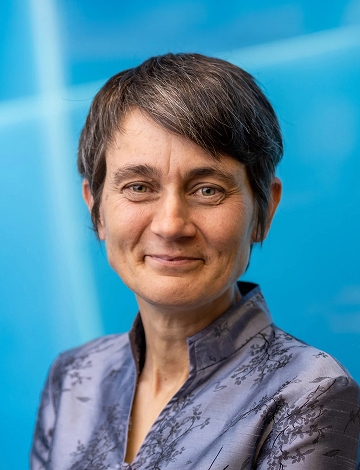
Marnie HUGHES-WARRINGTON, Professor Provost & Chief Academic Officer/Standing Acting VC/Bradley Distinguished Prof Chancellery and Council Services, University of South Australia


Moderation Villano QIRIAZI, Head of Education Department, Council of Europe

Plenary Session 2: “One step ahead in history education: new ways to combat disinformation – A debrief”

This plenary session will bring together the key reflections and outcomes emerging from the Workshops, offering an opportunity to consolidate insights and broaden the discussion on the future of history education in the face of evolving societal and informational challenges. By highlighting lessons learned, innovative practices and remaining challenges, the session will encourage a forward-looking dialogue on how history education can continue to adapt to rapidly changing environments. It will also provide a platform for collective reflection on the role of educators, institutions and stakeholders in strengthening historical literacy, critical thinking and democratic culture across Europe.

Closing session

Side-events are on their way! Sign up to be notified as soon as they're confirmed.

in the spotlight this year

OHTE TALKS

Dealing with artificial historians: disinformation in the age of AI

This OHTE Talk will explore the transformative impact of emerging technologies on the ways history is researched, taught and understood. By examining both the opportunities and the challenges created by digital tools, artificial intelligence and new forms of knowledge production, the session will invite reflection on how technological developments are reshaping access to historical information and the transmission of historical knowledge. It will also address the need to balance innovation with methodological rigour, highlighting how educators and institutions can harness new technologies to support critical thinking, strengthen historical understanding and promote responsible engagement with the past in a rapidly evolving digital landscape.

MARNIE
HUGHES-WARRINGTON

Bradley Distinguished Professor of History/Philosophy, School of Humanities, Adelaide University, Australia
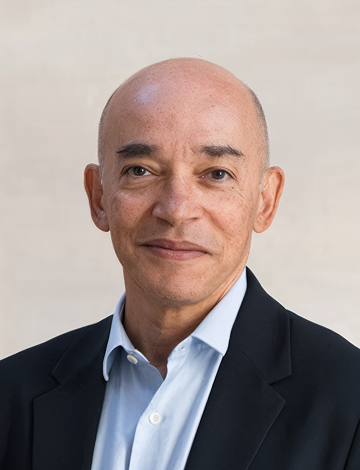
The machine of lies: propaganda and the misuse of history

This OHTE Talk will explore the historical roots, mechanisms and contemporary manifestations of propaganda and disinformation, examining how narratives are deliberately constructed to influence public opinion and shape collective memory. By viewing these phenomena through a long-term historical lens, light will be shed on the strategies used to legitimise power, mobilise societies and manipulate perceptions of the past and present. The session will also invite reflections on the role of education in equipping learners with the analytical tools required to recognise these processes, fostering critical awareness and strengthening democratic resilience in an increasingly complex information environment.

FABRICE D’ALMEIDA

Professor of History, Chair of the Department of Information sciences and communication, Université Paris-Panthéon-Assas

Gen Z are better equipped to identify manipulations of History than Baby Boomers

Are younger generations better equipped than seniors to spot and question disinformation on history. Let's make a debate out of it.

OHTE Debates aim to break opinion echo chambers, stimulate critical thinking, and contribute to the Council of Europe’s New Democratic Pact and its broader mission to renew democratic culture across the continent.

Are you under 30 and do you want to join the Gen Z House? Have a look at the conditions to apply below.
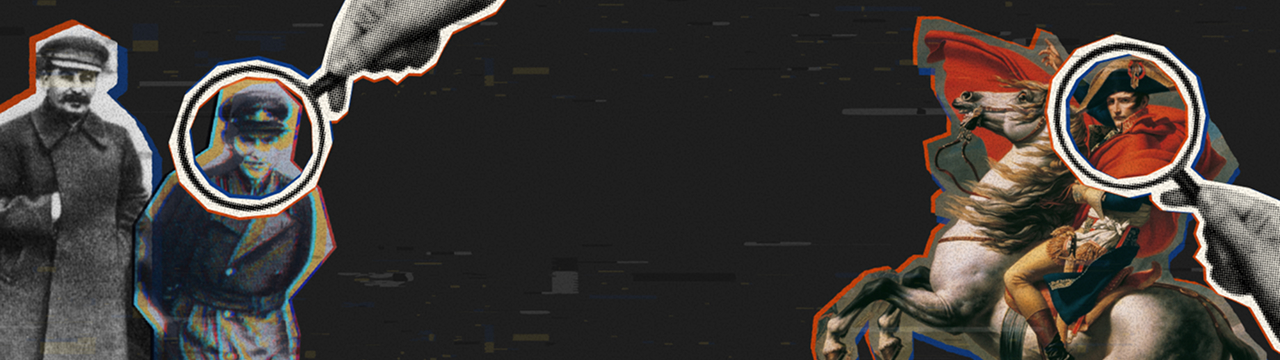
Real or Fake?

Starting on 1 September, take our challenge to see if you can spot manipulations and disinformation in historical sources. Register now to be notified when the game is afoot!
The New Democratic Pact for Europe - Council of Europe

ONE STEP AHEAD
IN HISTORY EDUCATION

Deadline: 26 June 2026

This year, we want to showcase innovative initiatives in history education for countering disinformation on history.

Apply now for one of the categories:
  • Recognising historical disinformation inside and outside the classroom
  • Pedagogical approaches in the age of fake news
  • Public history - the perfect place to debunk disinformation

Conditions in the download link here.
OHTE DATA VIZ

The mission of the Observatory is to provide a clear picture of the state of history teaching. Our data visualisation project aims to do just that. Check it out!
Programme Subscribe